
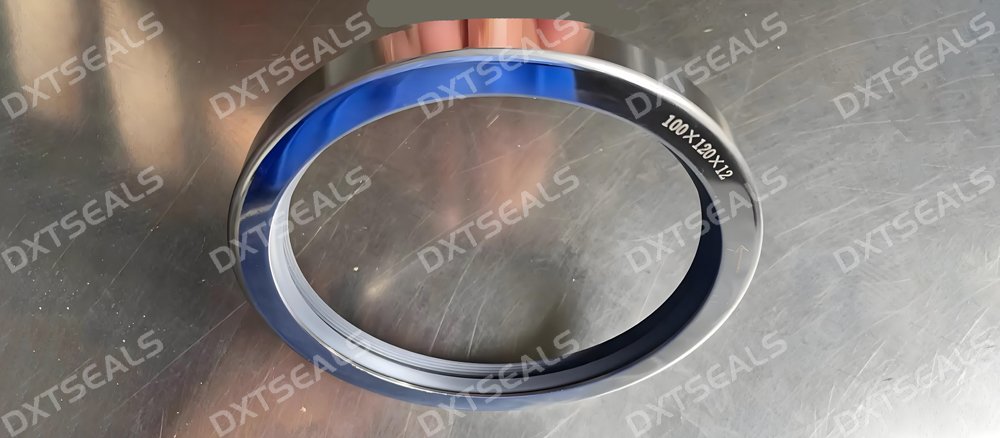
Oil seals play a crucial role in air compressors by preventing lubricant leakage and keeping contaminants out of the system. However, after long-term operation or improper maintenance, oil seals may experience wear, deformation, or hardening — leading to performance loss and even equipment failure.
In this article, DXTSEALS explains five practical methods to detect oil seal wear in air compressors, helping you take preventive action before major damage occurs.
1️⃣ Visual Inspection for Leakage or Deformation
The simplest and most direct method is a visual inspection. Check the shaft end, housing, and surrounding areas for signs of oil leakage, cracks, or swelling of the seal.
Indicators of oil seal wear include:
-
Visible oil film or stains around the seal lip
-
Deformation or surface cracking
-
Seal lip hardening or discoloration
-
Shaft groove wear caused by friction
If these symptoms appear, it’s time to replace the seal to prevent oil loss or system contamination.
2️⃣ Shaft Surface Examination
A worn or rough shaft surface accelerates oil seal damage. During maintenance, inspect the shaft for scratches, pitting, or uneven wear.
Tip:
Use a magnifying lens or surface roughness tester to ensure the shaft finish meets manufacturer requirements (typically Ra ≤ 0.2 μm). A damaged shaft should be repaired or replaced to restore sealing effectiveness.
3️⃣ Operational Noise and Vibration Analysis
When oil seals wear out, they often cause abnormal vibration or noise during compressor operation. This is due to reduced sealing pressure or lubricant leakage leading to friction between rotating parts.
If you notice:
-
Whistling or scraping noises near the shaft
-
Increased vibration amplitude
-
Temperature rise around the bearing or shaft housing
…it may be a sign that the oil seal has lost elasticity or contact force.
4️⃣ Lubricant Condition Monitoring
Regularly check the lubricant color, viscosity, and contamination level. If the oil appears darkened, diluted, or contains metal particles, it may indicate that the oil seal is allowing contaminants to enter or lubricant to escape.
Use oil analysis tools to detect:
-
Increased moisture content
-
High particulate levels
-
Additive depletion due to oxidation
These findings help identify seal wear before leakage becomes visible.
5️⃣ Pressure and Temperature Trend Monitoring
A worn oil seal may not maintain proper internal pressure, causing performance fluctuations. Track the operating pressure and temperature curves of the air compressor:
-
Unstable air pressure may indicate internal leakage.
-
Rising oil temperature suggests frictional heat from seal wear.
By integrating pressure and temperature monitoring with maintenance records, you can predict oil seal degradation more accurately.
🧩 Preventive Maintenance Tips
To minimize oil seal wear and extend lifespan:
✅ Choose high-quality oil seals with materials like FKM or PTFE for better heat and oil resistance.
✅ Maintain proper shaft alignment and surface finish.
✅ Use the correct lubricant type and viscosity.
✅ Avoid overpressure or excessive rotational speed.
✅ Schedule regular inspections and replace seals at recommended intervals.
🏭 DXTSEALS – Reliable Sealing Solutions for Air Compressors
At DXTSEALS, we supply durable oil seals and sealing components for industrial air compressors, designed for high temperature, high pressure, and oil-rich environments.
Our advantages include:
-
Custom design for specific compressor models
-
Premium materials like FKM, NBR, and PTFE
-
Excellent wear and chemical resistance
-
Proven performance in demanding operating conditions
By choosing DXTSEALS sealing products, you ensure longer maintenance cycles and more stable compressor performance.
✅ Conclusion
Regular oil seal inspection is essential for maintaining air compressor reliability. By applying the five methods above — from visual checks to lubricant analysis — you can detect seal wear early, reduce downtime, and avoid costly repairs.
DXTSEALS provides professional-grade sealing solutions to help industries achieve superior efficiency and long-term stability.