
Introduction
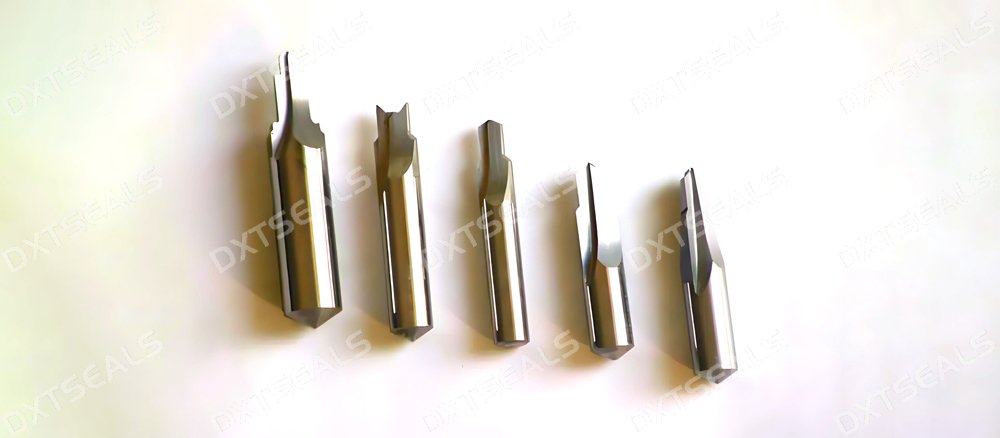
In metal machining, cutting performance varies significantly depending on material properties such as hardness, strength, thermal conductivity, and chemical reactivity. Selecting the appropriate cutting tool for each material is critical to achieving high precision, extended tool life, and optimal production efficiency.
This article compares the cutting characteristics of common metal materials and provides practical guidance for selecting suitable machining tools.
Key Factors Affecting Cutting Performance
The machinability of a metal is influenced by:
-
Hardness and strength
-
Thermal conductivity
-
Ductility
-
Chemical reactivity
-
Work hardening tendency
Understanding these properties helps optimize tool selection and machining parameters.
Cutting Performance Comparison of Common Metals
1. Carbon Steel
Cutting Characteristics:
-
Good machinability
-
Moderate cutting forces
-
Stable chip formation
Recommended Tools:
-
Carbide tools
-
High-speed steel (HSS) for light applications
Carbon steel is generally easy to machine and cost-effective for industrial components.
2. Alloy Steel
Cutting Characteristics:
-
Higher strength than carbon steel
-
Increased tool wear
-
Greater cutting resistance
Recommended Tools:
-
Coated carbide tools
-
Ceramic tools for hardened conditions
Proper cooling and reduced cutting speeds improve tool life.
3. Stainless Steel
Cutting Characteristics:
-
Tendency to work harden
-
High cutting temperature
-
Chip adhesion issues
Recommended Tools:
-
Coated carbide tools with sharp edges
-
Tools designed for stainless steel geometry
Effective chip control is essential.
4. Aluminum Alloys
Cutting Characteristics:
-
Excellent machinability
-
Low cutting forces
-
Good heat dissipation
-
Risk of material sticking to tools
Recommended Tools:
-
Uncoated or polished carbide tools
-
High rake angle tools
Aluminum allows high-speed machining with superior surface finishes.
5. Copper and Copper Alloys
Cutting Characteristics:
-
Soft and ductile
-
High thermal conductivity
-
Tool adhesion risk
Recommended Tools:
-
Sharp carbide tools
-
Polished tool surfaces to reduce sticking
Stable chip evacuation is important for consistent results.
6. Titanium Alloys
Cutting Characteristics:
-
Low thermal conductivity
-
High chemical reactivity
-
Rapid tool wear
-
Narrow optimal cutting window
Recommended Tools:
-
High-performance coated carbide tools
-
Advanced cooling strategies
Lower cutting speeds and rigid setups are required.
7. Hardened Steel (45+ HRC)
Cutting Characteristics:
-
Very high hardness
-
Extreme tool wear
-
High cutting forces
Recommended Tools:
-
Cubic Boron Nitride (CBN)
-
Ceramic tools
Hard milling or grinding may be required for precision finishing.
Tool Material Comparison
| Tool Material | Best For | Advantages |
|---|---|---|
| HSS | Soft metals, light duty | Low cost, easy regrinding |
| Carbide | General-purpose machining | High wear resistance |
| Coated Carbide | Stainless, alloy steels | Improved heat resistance |
| Ceramic | Hardened steel | High-speed capability |
| CBN | Extremely hard materials | Superior wear resistance |
Practical Tool Selection Guidelines
When selecting cutting tools, consider:
-
Material hardness and strength
-
Required surface finish
-
Production volume
-
Heat generation level
-
Cost-performance balance
At DXTSEALS, cutting tool strategies are customized based on material type and part complexity to ensure optimal machining performance and dimensional stability.
Importance of Parameter Optimization
Tool selection must be combined with proper:
-
Cutting speed
-
Feed rate
-
Depth of cut
-
Cooling and lubrication
Optimized parameters extend tool life and improve machining consistency.
Conclusion
Different metal materials exhibit distinct cutting characteristics, requiring tailored machining strategies and cutting tool selection. From easily machinable aluminum to challenging titanium and hardened steel, understanding cutting performance differences is essential for efficient and precise production.
By selecting the right tool material and optimizing machining conditions, manufacturers can enhance productivity, reduce tool wear, and maintain high-quality standards in precision metal machining.