
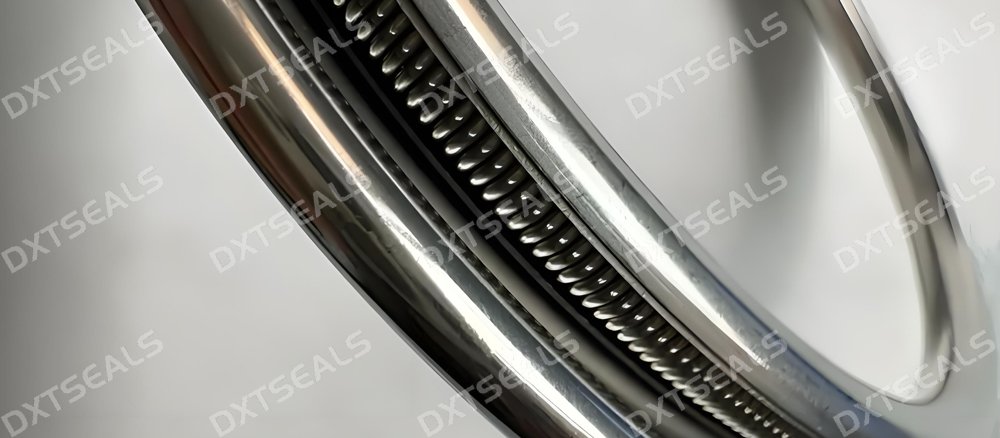
Selecting the right metal material for sealing components is crucial to ensure performance, durability, and cost-effectiveness. With so many choices—from stainless steel to titanium—the decision can be challenging.
To simplify the process, DXTSEALS has prepared a metal material performance comparison chart that helps engineers and buyers quickly identify which metal best fits their sealing applications.
1. Why Metal Selection Matters in Sealing Components
Metals are commonly used in sealing housings, retainers, support rings, and structural parts. The right material choice impacts:
-
Strength and pressure resistance
-
Corrosion and chemical resistance
-
Heat resistance and thermal stability
-
Weight and machinability
-
Cost and lifecycle performance
A poor material choice can lead to seal failure, downtime, and costly replacements.
2. Metal Material Performance Comparison Table
| Metal Type | Strength | Corrosion Resistance | Temperature Resistance | Weight | Cost Level | Best Applications |
|---|---|---|---|---|---|---|
| Carbon Steel | ★★★★☆ | ★☆☆☆☆ | ★★☆☆☆ | Heavy | ★☆☆☆☆ (Low) | Low-cost structures, non-corrosive environments |
| Alloy Steel | ★★★★★ | ★★☆☆☆ | ★★★☆☆ | Heavy | ★★☆☆☆ (Low-Mid) | High-pressure seals, wear resistance required |
| Stainless Steel (304/316) | ★★★★☆ | ★★★★☆ | ★★★★☆ | Medium | ★★★☆☆ (Mid) | Pumps, pipelines, food & chemical industries |
| Aluminum Alloy | ★★☆☆☆ | ★★☆☆☆ | ★★☆☆☆ | Light | ★★☆☆☆ (Low-Mid) | Lightweight sealing housings, automotive, aerospace |
| Titanium Alloy | ★★★★☆ | ★★★★★ | ★★★★★ | Light | ★★★★★ (High) | Marine, aerospace, chemical plants |
| Nickel Alloys (Inconel, Hastelloy) | ★★★★★ | ★★★★★ | ★★★★★ | Heavy | ★★★★★ (Very High) | Extreme chemical resistance, high-temperature sealing |
| Copper/Brass/Bronze | ★★☆☆☆ | ★★★☆☆ | ★★☆☆☆ | Medium | ★★★☆☆ (Mid) | Anti-friction parts, moderate corrosion environments |
3. Quick Guidelines for Material Selection
-
For cost-sensitive projects: Choose carbon steel or alloy steel with surface treatments.
-
For balanced performance: Stainless steel is the go-to option for most industrial sealing needs.
-
For lightweight applications: Aluminum alloy or titanium provide strength-to-weight advantages.
-
For extreme environments: Nickel alloys and titanium excel in high corrosion and high-temperature conditions.
-
For specialized needs: Copper-based alloys are excellent for wear reduction and moderate chemical exposure.
4. DXTSEALS Expertise in Metal Material Selection
At DXTSEALS, we understand the importance of selecting the right material for every sealing component. Our engineers analyze your working environment, temperature range, chemical exposure, and budget to recommend the most suitable metal.
We provide sealing solutions using a wide range of metals, from economical carbon steel to high-performance titanium and nickel alloys. Whether your project demands cost efficiency or maximum durability, DXTSEALS can help you achieve the right balance.
Conclusion
The metal material comparison chart offers a quick and practical way to evaluate metals for sealing components. By comparing strength, corrosion resistance, heat resistance, weight, and cost, engineers can make informed decisions that improve both reliability and efficiency.
📩 Contact DXTSEALS for expert guidance and tailored sealing material recommendations to ensure your project achieves the perfect balance between performance and cost.