
Introduction
O-rings are among the most widely used sealing components across industries. However, not all O-rings are the same. Depending on the operating environment, engineers must choose between metal O-rings and rubber (elastomer) O-rings.
Each type offers distinct advantages and limitations in terms of temperature resistance, pressure handling, flexibility, and sealing performance.
In this article, we provide a detailed comparison of metal and rubber O-rings to help you select the most suitable solution for your application. At DXTSEALS, we offer both metal and elastomer sealing solutions tailored to diverse industrial needs.
1. Material and Structure Differences
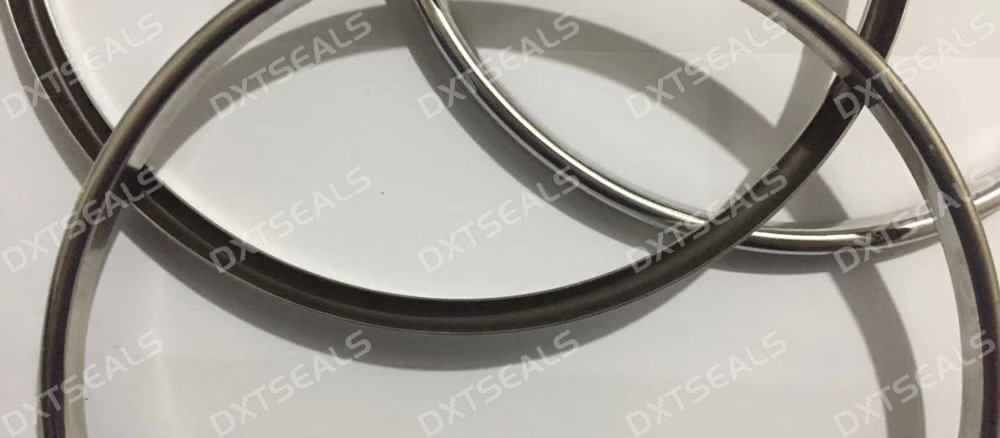
Metal O-Rings
Metal O-rings are typically made from:
- Stainless steel (304, 316)
- Inconel
- Hastelloy
They can be designed as:
- Solid rings
- Hollow rings (pressure-filled or vented)
Some are coated with soft metals such as silver or gold to improve sealing performance.
Rubber O-Rings
Rubber O-rings are made from elastomer materials such as:
- NBR (Nitrile)
- FKM (Viton)
- EPDM
- Silicone
They are flexible, easy to install, and widely used in general-purpose sealing applications.
2. Performance Comparison
Temperature Resistance
- Metal O-Rings: Withstand extreme temperatures (both high and cryogenic)
- Rubber O-Rings: Limited temperature range depending on material
Metal O-rings are ideal for extreme thermal environments, while rubber O-rings are suitable for moderate conditions.
Pressure Resistance
- Metal O-Rings: Excellent for ultra-high pressure applications
- Rubber O-Rings: Suitable for low to medium pressure
Metal seals maintain integrity under extreme pressure, whereas rubber may deform or extrude.
Elasticity and Sealing Behavior
- Metal O-Rings: Lower elasticity, rely on precise design and compression
- Rubber O-Rings: High elasticity, excellent for dynamic sealing
Rubber O-rings provide better flexibility, especially in applications with movement or vibration.
Leakage Performance
- Metal O-Rings: Extremely low leakage, suitable for vacuum and gas sealing
- Rubber O-Rings: Good sealing, but may allow permeation over time
For critical sealing (e.g., vacuum systems), metal O-rings are preferred.
Durability and Lifespan
- Metal O-Rings: Long lifespan, resistant to wear and harsh conditions
- Rubber O-Rings: Shorter lifespan due to aging, swelling, or degradation
Metal seals offer better long-term reliability in extreme environments.
3. Application Scenarios
Metal O-Rings – When to Use
Metal O-rings are best suited for:
- Aerospace systems
- High-pressure valves and pipelines
- Vacuum and ultra-high vacuum environments
- Nuclear and energy systems
- Cryogenic applications
They are ideal when extreme conditions and minimal leakage are required.
Rubber O-Rings – When to Use
Rubber O-rings are commonly used in:
- Automotive systems
- Hydraulic and pneumatic equipment
- General industrial machinery
- Consumer products
They are preferred for cost-effective, flexible sealing in moderate conditions.
4. Cost and Manufacturing Considerations
- Metal O-Rings:
- Higher manufacturing cost
- Precision engineering required
- Suitable for high-value, critical applications
- Rubber O-Rings:
- Low cost
- Easy mass production
- Ideal for large-volume applications
Choosing between the two often involves balancing performance requirements and budget constraints.
5. How to Choose the Right O-Ring
When selecting between metal and rubber O-rings, consider:
- Operating temperature range
- Pressure conditions
- Chemical exposure
- Required sealing performance
- Budget and lifecycle cost
At DXTSEALS, we help customers evaluate these factors and select the optimal sealing solution for their specific needs.
Conclusion
Metal O-rings and rubber O-rings serve different purposes in industrial sealing:
- Metal O-Rings: Best for extreme conditions, high pressure, and critical sealing
- Rubber O-Rings: Ideal for flexible, cost-effective applications in moderate environments
Understanding their differences allows engineers to make informed decisions and optimize system performance.
At DXTSEALS, we are committed to providing high-quality sealing solutions, whether you need advanced metal seals or reliable elastomer O-rings.
If you are unsure which O-ring is right for your application, contact DXTSEALS today for expert advice and customized solutions.