
Introduction
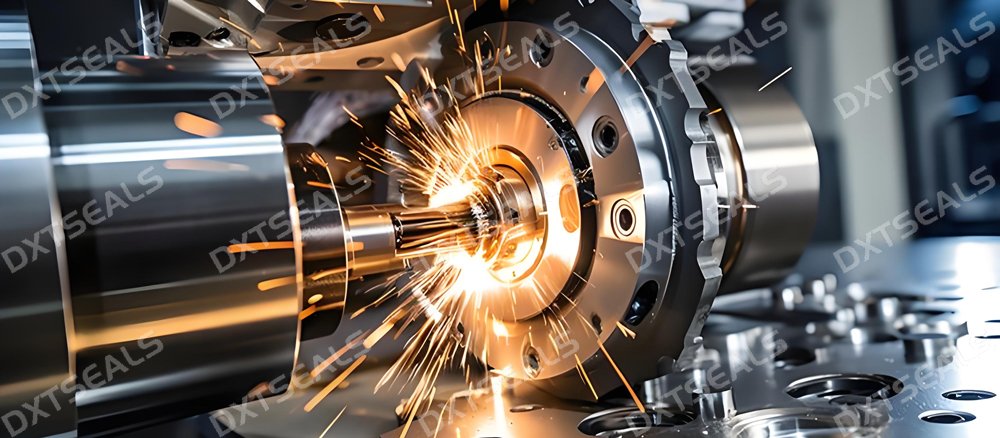
Selecting the right metal machining method is a crucial step in manufacturing high-quality industrial components. Different machining processes offer unique advantages depending on part geometry, material type, production volume, and required precision.
Choosing the most suitable process not only improves product quality but also optimizes production efficiency and cost. This article explains how to evaluate application requirements and select the appropriate metal machining method.
Key Factors to Consider When Choosing a Machining Method
Before selecting a machining process, manufacturers should carefully analyze several important factors.
1. Part Geometry and Complexity
The shape and structural complexity of a component largely determine the suitable machining method.
-
Simple cylindrical parts are often best produced using CNC turning.
-
Complex surfaces or multi-angle structures typically require CNC milling or multi-axis machining.
For intricate designs, advanced machining methods such as 5-axis CNC machining provide better accessibility and precision.
2. Material Properties
Different metal materials exhibit different machinability characteristics.
For example:
-
Aluminum alloys are easy to machine and support high-speed cutting.
-
Stainless steel requires optimized cutting parameters due to work hardening tendencies.
-
Titanium alloys demand specialized tooling and cooling strategies.
Understanding material properties helps determine the most efficient machining strategy.
At DXTSEALS, machining parameters are customized according to the material type to ensure stable production quality.
3. Precision and Tolerance Requirements
Some applications require extremely tight tolerances and superior surface finishes.
Typical precision-oriented processes include:
-
Precision CNC milling
-
CNC turning for concentric components
-
Grinding for ultra-high accuracy
Higher precision requirements often demand more advanced equipment and stricter quality control.
4. Production Volume
Production quantity strongly influences the most cost-effective machining approach.
-
Low-volume production benefits from flexible CNC machining processes.
-
High-volume manufacturing may use optimized machining lines or specialized tooling to reduce unit cost.
Balancing flexibility and efficiency is essential for optimal production planning.
5. Surface Finish and Functional Requirements
Surface finish can affect friction, sealing performance, corrosion resistance, and appearance.
Depending on the application, additional processes may be required, such as:
-
Surface polishing
-
Anodizing
-
Electroplating
-
Heat treatment
Selecting the appropriate finishing process ensures that components meet both functional and aesthetic requirements.
Common Metal Machining Methods and Their Applications
CNC Turning
Best suited for cylindrical or rotational components such as shafts, bushings, and threaded parts.
Advantages:
-
High efficiency
-
Excellent concentricity
-
Cost-effective for round parts
CNC Milling
Ideal for machining complex shapes, flat surfaces, slots, and structural components.
Advantages:
-
High flexibility
-
Suitable for complex geometries
-
Multi-axis capability
Multi-Axis CNC Machining
Advanced machining for highly complex structures with multiple angles.
Advantages:
-
Reduced setup time
-
Improved precision
-
Ability to machine intricate components
Grinding
Grinding is typically used for finishing hardened materials or achieving extremely tight tolerances.
Advantages:
-
Ultra-high accuracy
-
Excellent surface finish
Industry Applications
Selecting the correct machining process is essential in industries such as:
-
Aerospace manufacturing
-
Automotive engineering
-
Energy and power equipment
-
Industrial automation
-
Precision sealing systems
Each industry requires different combinations of materials, machining techniques, and quality standards.
Importance of Engineering Collaboration
Successful machining process selection requires close collaboration between design engineers, manufacturing engineers, and quality control teams. Early evaluation of manufacturability helps reduce production risks and improve efficiency.
Conclusion
Choosing the right metal machining method depends on multiple factors, including part geometry, material characteristics, precision requirements, production volume, and surface finish needs.
By carefully evaluating these aspects and selecting appropriate machining technologies, manufacturers can achieve optimal performance, cost efficiency, and product reliability in precision metal manufacturing.