
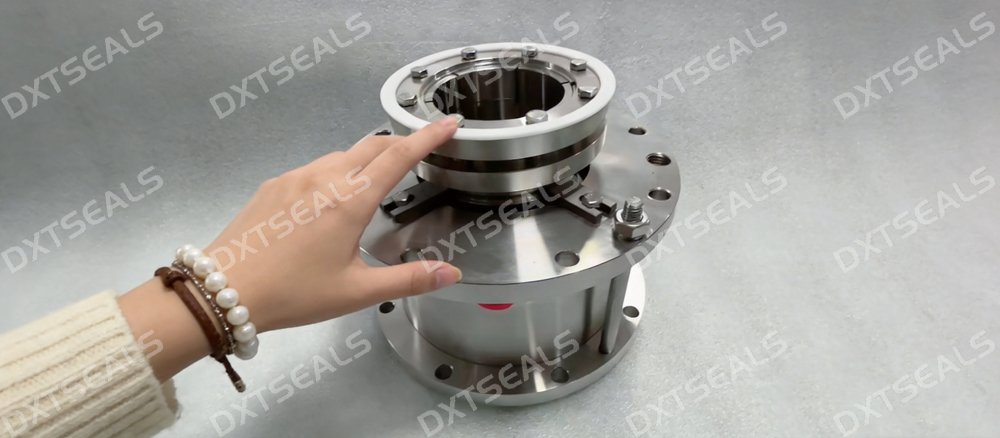
Mechanical seals are among the most important components in modern industrial equipment. Designed to prevent fluid leakage while allowing rotating shafts to operate efficiently, they have become the preferred sealing solution for a wide range of industries.
Compared with traditional sealing methods such as packing seals and oil seals, mechanical seals provide superior leakage control, longer service life, lower maintenance requirements, and improved operational efficiency. As a result, they are widely used in pumps, compressors, mixers, agitators, reactors, and many other types of industrial machinery.
This article explores the most common application areas of mechanical seals and explains why they have become essential in modern industrial operations.
Why Mechanical Seals Are Widely Used
Rotating equipment often operates under demanding conditions involving:
- High pressure
- High temperature
- Corrosive chemicals
- Abrasive media
- Continuous operation
- Strict environmental regulations
Mechanical seals are specifically designed to address these challenges by providing:
- Reliable leakage control
- Reduced shaft wear
- Improved equipment efficiency
- Longer maintenance intervals
- Enhanced workplace safety
These advantages make them suitable for a broad range of industrial applications.
Mechanical Seals in Pumps
Pumps represent the largest application area for mechanical seals.
Virtually every industry relies on pumps to transport liquids, chemicals, oils, slurries, and process fluids.
Since pumps contain rotating shafts that pass through the pump casing, an effective sealing system is required to prevent leakage.
Centrifugal Pumps
Centrifugal pumps are widely used in:
- Water treatment plants
- Chemical processing facilities
- Food production lines
- Oil and gas operations
- HVAC systems
Mechanical seals help centrifugal pumps achieve:
- Low leakage rates
- Continuous operation
- Reduced maintenance costs
- Longer equipment life
Common seal types include:
- Single mechanical seals
- Cartridge seals
- Balanced seals
Chemical Process Pumps
Chemical pumps often handle:
- Acids
- Alkalis
- Solvents
- Corrosive fluids
Mechanical seals used in these applications typically feature:
- Silicon Carbide seal faces
- FFKM elastomers
- Corrosion-resistant metal components
These materials ensure long-term reliability in aggressive chemical environments.
Slurry Pumps
Mining and wastewater industries frequently use slurry pumps to transport abrasive media.
Mechanical seals designed for slurry applications often incorporate:
- Tungsten Carbide seal faces
- Heavy-duty construction
- External flushing systems
These features improve wear resistance and extend service life.
Mechanical Seals in Compressors
Compressors are critical equipment in industries such as:
- Oil and gas
- Petrochemicals
- Power generation
- Industrial manufacturing
Because compressors often handle gases under pressure, sealing reliability is essential for both operational efficiency and safety.
Gas Compressors
Gas compressors may process:
- Natural gas
- Hydrocarbon gases
- Industrial gases
- Process gases
Mechanical seals help prevent:
- Gas leakage
- Pressure loss
- Environmental emissions
Benefits include:
- Improved safety
- Regulatory compliance
- Reduced product loss
High-Speed Compressors
Many compressors operate at high rotational speeds.
Mechanical seals designed for these applications provide:
- Stable sealing performance
- Reduced heat generation
- Lower friction
- Enhanced durability
Advanced materials such as Silicon Carbide are commonly used to handle high-speed operating conditions.
Mechanical Seals in Mixers and Agitators
Mixers and agitators are widely used in:
- Chemical plants
- Pharmaceutical facilities
- Food processing factories
- Biotechnology industries
These machines use rotating shafts to blend liquids, powders, and chemical compounds.
The sealing system must prevent leakage while maintaining process integrity.
Chemical Mixing Equipment
Chemical reactors and mixers often operate under challenging conditions involving:
- Corrosive media
- Elevated temperatures
- Pressure variations
Mechanical seals provide:
- Reliable containment
- Chemical resistance
- Long-term operational stability
Double mechanical seals are commonly selected for hazardous process fluids.
Pharmaceutical Mixers
Pharmaceutical manufacturing requires:
- Product purity
- Sterile operation
- Regulatory compliance
Mechanical seals used in pharmaceutical mixers often feature:
- Hygienic designs
- FDA-compliant materials
- Easy-clean configurations
These designs help maintain strict quality standards.
Food Processing Agitators
Food and beverage production equipment requires seals that:
- Resist cleaning chemicals
- Prevent contamination
- Support frequent washdowns
Mechanical seals designed for food processing offer:
- Hygienic construction
- Sanitary materials
- Excellent cleanability
Mechanical Seals in Industrial Reactors
Industrial reactors are commonly used in:
- Chemical manufacturing
- Pharmaceutical production
- Specialty materials processing
Many reactor systems operate under:
- High pressure
- High temperature
- Aggressive chemicals
Mechanical seals help maintain process containment and operational safety.
Common seal solutions include:
- Double mechanical seals
- Cartridge seal systems
- Metal bellows seals
These configurations provide reliable performance in demanding environments.
Mechanical Seals in Industrial Gearboxes and Equipment
Although oil seals are commonly used in gearboxes, certain specialized industrial systems require mechanical seals.
Examples include:
- High-speed gear drives
- Process equipment
- Specialized machinery
Mechanical seals may be selected when:
- Leakage control is critical
- Operating pressures are elevated
- Environmental compliance is required
Mechanical Seals in Marine Equipment
Marine systems often operate under harsh conditions involving:
- Saltwater exposure
- Continuous operation
- Variable temperatures
Applications include:
- Marine pumps
- Propulsion systems
- Ballast water systems
Mechanical seals provide:
- Corrosion resistance
- Reliable sealing
- Extended service life
Special materials are often selected to resist seawater corrosion.
Mechanical Seals in Water and Wastewater Treatment
Water treatment facilities rely heavily on rotating equipment.
Common applications include:
- Feed pumps
- Booster pumps
- Sludge pumps
- Chemical dosing systems
Mechanical seals help operators achieve:
- Reduced maintenance
- Continuous operation
- Lower leakage rates
- Improved reliability
These benefits contribute to lower operating costs and improved plant efficiency.
Mechanical Seals in Oil and Gas Industry
The oil and gas sector places some of the highest demands on sealing technology.
Applications include:
- Crude oil pumps
- Refinery equipment
- Pipeline compressors
- Offshore systems
Challenges often involve:
- High pressure
- Extreme temperatures
- Hazardous fluids
Mechanical seals help ensure:
- Safe operation
- Environmental protection
- Regulatory compliance
Double seals and cartridge seals are commonly used in these critical applications.
Mechanical Seals in Power Generation
Power plants utilize numerous rotating systems that require reliable sealing.
Applications include:
- Boiler feed pumps
- Cooling water pumps
- Condensate pumps
- Turbine auxiliary systems
Mechanical seals contribute to:
- Equipment reliability
- Reduced downtime
- Improved plant efficiency
Long service life is particularly important in continuous-operation power generation facilities.
Mechanical Seals in Mining and Mineral Processing
Mining equipment frequently handles abrasive and demanding process media.
Applications include:
- Slurry pumps
- Dewatering pumps
- Mineral processing equipment
Mechanical seals designed for mining environments typically feature:
- Tungsten Carbide components
- Reinforced structures
- Abrasion-resistant materials
These designs help maximize uptime and reduce maintenance frequency.
Key Benefits Across All Industries
Regardless of the application, mechanical seals provide several consistent advantages.
Reduced Leakage
Helping protect products, personnel, and the environment.
Lower Maintenance Costs
Reducing labor requirements and spare part consumption.
Longer Equipment Life
Minimizing shaft wear and component damage.
Improved Energy Efficiency
Reducing friction and power consumption.
Enhanced Reliability
Supporting continuous industrial operations.
These benefits explain why mechanical seals have become the preferred sealing technology in modern rotating equipment.
How DXTSEALS Supports Diverse Industrial Applications
At DXTSEALS, we manufacture both standard and custom mechanical seals for a wide variety of industrial applications.
Our capabilities include:
Standard Mechanical Seals
- OEM-equivalent replacements
- Industry-standard designs
- Rapid production
Custom Mechanical Seals
- Non-standard dimensions
- Specialized material combinations
- Application-specific engineering
Advanced Manufacturing
- CNC precision machining
- Seal face lapping
- Strict quality control
Industry Expertise
Serving:
- Chemical processing
- Oil and gas
- Water treatment
- Food and beverage
- Pharmaceutical manufacturing
- Mining
- Power generation
Our engineering team works closely with customers to develop sealing solutions optimized for their operating conditions.
Conclusion
Mechanical seals are indispensable components in modern industrial equipment. From pumps and compressors to mixers, reactors, and specialized process machinery, they provide reliable leakage control, improved efficiency, and long-term operational stability.
Their ability to perform under demanding conditions involving pressure, temperature, corrosion, and continuous operation makes them the preferred sealing solution across numerous industries.
With extensive manufacturing expertise and customization capabilities, DXTSEALS delivers high-quality mechanical seal solutions that help customers improve equipment reliability, reduce maintenance costs, and achieve superior sealing performance in a wide range of industrial applications.