
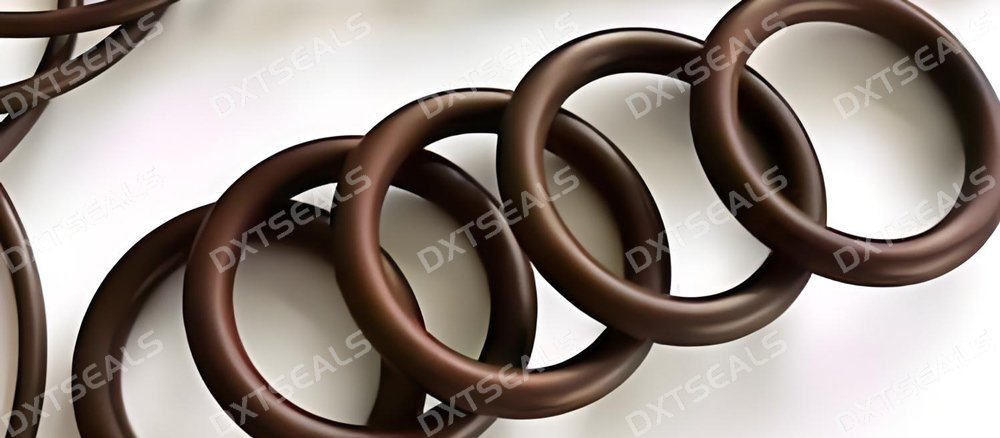
Chemical processing equipment operates in some of the most demanding industrial environments. Seals used in reactors, pumps, valves, pipelines, and heat exchangers are continuously exposed to corrosive media, high temperatures, and pressure fluctuations. Selecting the right corrosion-resistant sealing solution is essential to prevent leakage, ensure safety, and maintain long-term system reliability.
In this guide, DXTSEALS explains how sealing components are applied in chemical equipment, the challenges they face, and how to select suitable materials for corrosive environments.
1. Why Corrosion Resistance Is Critical in Chemical Sealing
Chemical equipment commonly handles aggressive substances such as:
-
Acids and alkalis
-
Organic solvents
-
Hydrocarbons and fuels
-
Oxidizing chemicals
-
High-purity or hazardous media
If sealing materials are not compatible with these chemicals, common issues may occur:
-
Seal swelling, cracking, or hardening
-
Loss of elasticity and sealing force
-
Chemical degradation and rapid aging
-
Leakage, contamination, and safety risks
Therefore, corrosion resistance is a primary requirement when selecting seals for chemical applications.
2. Common Sealing Materials Used in Chemical Equipment
2.1 PTFE (Polytetrafluoroethylene)
Key advantages:
-
Excellent resistance to almost all chemicals
-
Wide temperature range (–60°C to +260°C)
-
Very low friction coefficient
-
Non-stick and non-aging properties
Typical applications:
-
Chemical pumps and valves
-
Reactor sealing
-
Pipeline flange gaskets
PTFE and filled PTFE seals are often the first choice for highly corrosive chemical environments.
2.2 FKM (Fluorocarbon Rubber)
Key advantages:
-
Outstanding resistance to oils, fuels, and many chemicals
-
High-temperature stability (up to +200°C)
-
Good compression set resistance
Limitations:
-
Not suitable for strong alkalis or certain amines
Typical applications:
-
Chemical pumps
-
Heat exchangers
-
Dynamic sealing in aggressive fluids
2.3 EPDM Rubber
Key advantages:
-
Excellent resistance to hot water, steam, and alkalis
-
Good aging and ozone resistance
Limitations:
-
Poor resistance to oils and hydrocarbons
Typical applications:
-
Chemical processing systems handling water-based media
-
Acid and alkali pipelines
2.4 Metal and Composite Gaskets
Key advantages:
-
High mechanical strength
-
Excellent pressure and temperature resistance
-
Suitable for harsh chemical conditions
Common materials:
-
Stainless steel
-
PTFE-lined gaskets
-
Spiral wound gaskets with corrosion-resistant fillers
Typical applications:
-
High-pressure chemical pipelines
-
Flange connections in reactors
3. Key Factors in Selecting Corrosion-Resistant Seals
3.1 Chemical Compatibility
Always evaluate the seal material against the specific chemical media, concentration, and operating temperature.
3.2 Temperature and Pressure
High temperatures accelerate chemical reactions and material degradation. The selected seal must withstand both chemical attack and thermal stress.
3.3 Static vs. Dynamic Sealing
-
Static seals: Gaskets and O-rings for flanges and housings
-
Dynamic seals: Shaft seals and piston seals requiring low friction and wear resistance
Dynamic chemical sealing often favors PTFE-based solutions.
3.4 Safety and Environmental Requirements
Leakage in chemical plants can cause safety hazards and environmental pollution. Reliable sealing performance is critical for regulatory compliance.
4. Typical Applications in Chemical Equipment
Corrosion-resistant seals are widely used in:
-
Chemical reactors
-
Centrifugal and diaphragm pumps
-
Control and isolation valves
-
Heat exchangers
-
Storage tanks and pipelines
Each application requires a tailored sealing solution based on operating conditions.
5. DXTSEALS Solutions for Chemical Industry Applications
DXTSEALS provides customized sealing solutions designed for corrosive environments, including:
-
PTFE and filled PTFE seals
-
FKM and EPDM O-rings
-
Chemical-resistant gaskets
-
Custom-engineered sealing components
With strong material expertise and advanced manufacturing capabilities, DXTSEALS helps customers achieve safe, reliable, and long-lasting sealing performance in chemical equipment.
Conclusion
Corrosion resistance is a decisive factor in sealing solutions for chemical equipment. By understanding chemical compatibility, operating conditions, and sealing requirements, engineers can significantly reduce failure risks and extend equipment service life.
Choosing the right material—such as PTFE, FKM, or EPDM—combined with proper design and installation ensures reliable performance even in aggressive chemical environments. DXTSEALS remains a trusted partner for corrosion-resistant sealing solutions in the chemical industry.