
Introduction
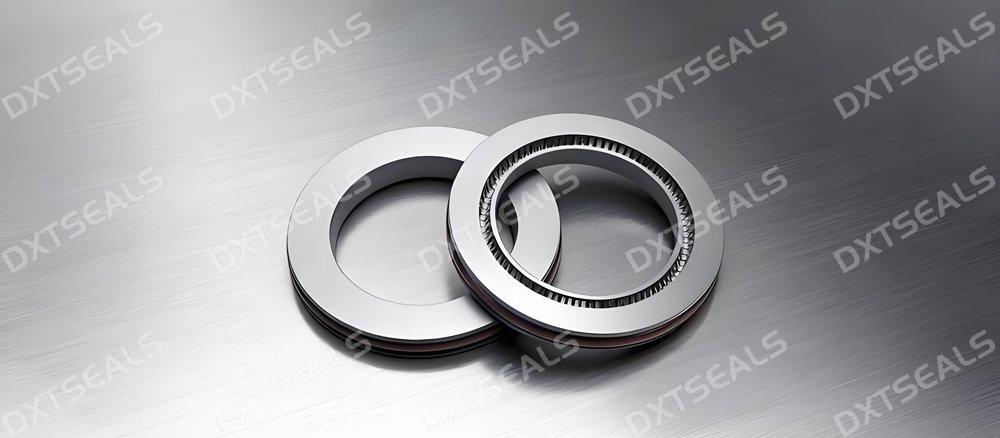
Standard seals often fail to meet the demands of complex or extreme operating conditions. In such cases, custom spring-energized seals provide tailored solutions that address specific pressure, temperature, motion, and media requirements.
This article explores the key parameters and design considerations involved in developing reliable custom spring-energized seals.
Why Customization Matters
Custom seal design allows engineers to optimize:
-
Sealing performance under unique operating conditions
-
Compatibility with specific media and temperatures
-
Installation constraints and groove geometries
-
Service life and maintenance intervals
At DXTSEALS, customization ensures sealing solutions are precisely matched to application needs.
Key Parameters in Custom Spring-Energized Seal Design
Operating Pressure and Temperature
Understanding the full pressure and temperature range is essential for selecting suitable PTFE compounds and spring materials.
Motion Type and Speed
Seal design varies depending on whether the application involves static, reciprocating, or rotary motion. Speed influences friction, wear, and spring selection.
Media Compatibility
The sealing material must resist chemical attack, swelling, or degradation caused by the working media.
Surface Finish and Hardware Tolerances
Mating surface roughness and dimensional tolerances directly affect sealing effectiveness and wear rate.
Seal Profile and Geometry Selection
Different cross-sectional profiles—such as U-shaped, C-shaped, or rectangular designs—offer varying levels of flexibility, extrusion resistance, and friction control. Groove design and installation space must be carefully evaluated.
Spring Selection Considerations
The energizing spring determines sealing force consistency and wear compensation.
Key factors include:
-
Spring type (helical, wave, or specialized designs)
-
Spring preload and force distribution
-
Material compatibility with media and temperature
Proper spring selection ensures stable sealing force throughout the seal’s service life.
Balancing Friction and Seal Life
Excessive sealing force may improve leakage control but increase friction and wear. Custom design aims to balance sealing reliability with minimal energy loss and long-term durability.
Prototyping and Testing
Custom spring-energized seals often require prototype validation under real operating conditions. Testing verifies performance assumptions and helps refine material and structural choices.
Typical Applications for Custom Spring-Energized Seals
-
Aerospace and defense systems
-
Oil and gas equipment
-
Chemical processing machinery
-
Semiconductor and medical devices
These industries often require non-standard sealing solutions that off-the-shelf products cannot provide.
Conclusion
Designing custom spring-energized seals requires careful evaluation of operating conditions, material compatibility, seal geometry, and spring characteristics. By addressing these key parameters, custom seals deliver reliable performance, extended service life, and optimized system efficiency.
A structured design approach ensures that custom spring-energized seals meet even the most demanding application requirements.