
Introduction
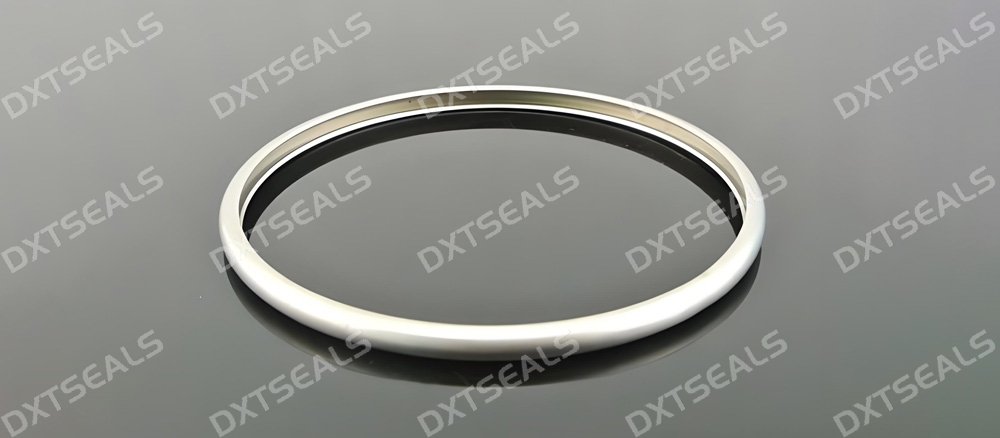
Metal sealing rings are essential components in industries where extreme temperature, high pressure, and strict leakage control are required. From aerospace to petrochemical systems, their performance depends not only on material strength but also on precise engineering and application design.
This article provides a comprehensive overview of the key technical points from design to application of metal seals, helping engineers and buyers achieve optimal sealing performance. At DXTSEALS, we specialize in delivering customized metal sealing solutions backed by advanced engineering expertise.
1. Fundamental Design Principles
Matching Seal Type to Application
Selecting the appropriate seal structure is the first step in design:
- Metal O-rings: Best for high-pressure static sealing
- Metal C-rings: Provide flexibility and elastic recovery
- Metal E-rings: Offer multi-lip sealing and superior leak tightness
Each design serves a different purpose, and incorrect selection can lead to performance issues.
Geometry and Tolerance Control
Precise geometry is critical for effective sealing:
- Cross-section design determines deformation behavior
- Dimensional tolerances affect contact pressure
- Uniformity ensures consistent sealing performance
Even minor deviations can result in leakage or premature failure.
2. Material Selection and Performance
Base Materials
The choice of material directly influences durability and resistance to extreme conditions. Common options include:
- Stainless steel (304, 316)
- Inconel
- Hastelloy
These materials provide:
- High mechanical strength
- Resistance to corrosion and oxidation
- Stability under thermal stress
Surface Coatings
Coatings enhance sealing performance by improving surface interaction:
- Silver plating: improves conformity and reduces leakage
- Gold plating: suitable for high-purity environments
- Nickel coating: adds corrosion resistance
Proper coating selection ensures better sealing efficiency and longer service life.
3. Sealing Mechanism and Performance Factors
Compression and Contact Stress
Metal seals rely on controlled compression to create:
- Initial sealing force
- Contact pressure between surfaces
Proper compression design is essential:
- Too little compression leads to leakage
- Excessive compression may damage the seal
Pressure-Assisted Sealing
Many metal seals feature a self-energizing effect, where:
- System pressure increases contact force
- Sealing performance improves under load
This is particularly important in high-pressure applications.
Surface Finish Requirements
The quality of mating surfaces significantly impacts sealing:
- Smooth surfaces reduce leakage paths
- Proper machining ensures uniform contact
Surface roughness must be carefully controlled during system design.
4. Manufacturing and Quality Control
Precision Manufacturing
Metal sealing rings require advanced manufacturing techniques:
- High-precision forming and welding
- Strict dimensional control
- Consistent wall thickness
Quality Assurance
To ensure reliability, manufacturers must implement:
- Material testing
- Leak testing
- Dimensional inspection
At DXTSEALS, rigorous quality control processes ensure every seal meets high-performance standards.
5. Installation and Application Considerations
Proper Installation
Correct installation is critical for seal performance:
- Apply uniform compression
- Avoid damage during assembly
- Ensure correct alignment of components
Operating Conditions
Design must account for real-world conditions:
- Temperature fluctuations
- Pressure cycling
- Chemical exposure
Understanding these factors helps prevent premature failure.
Maintenance and Lifecycle
Although metal seals offer long service life, periodic inspection is recommended for:
- Critical systems
- High-risk environments
This ensures continued reliability and safety.
6. Common Challenges and Solutions
Leakage Issues
- Cause: insufficient compression or poor surface finish
- Solution: optimize design and machining accuracy
Material Degradation
- Cause: incorrect material selection
- Solution: choose alloys suited for the environment
Installation Damage
- Cause: improper handling
- Solution: follow correct assembly procedures
At DXTSEALS, we provide technical support to help customers overcome these challenges.
Conclusion
From design to application, metal sealing rings require careful consideration of structure, material, manufacturing, and operating conditions. By focusing on these key technical points, engineers can achieve:
- Reliable sealing performance
- Long service life
- Reduced maintenance and operational risk
Metal seals remain a critical solution for industries operating under extreme conditions.
At DXTSEALS, we are dedicated to delivering high-quality, customized metal sealing solutions that meet the most demanding requirements.
If you need support with metal seal design or application, contact DXTSEALS today for expert guidance and tailored solutions.