
Introduction
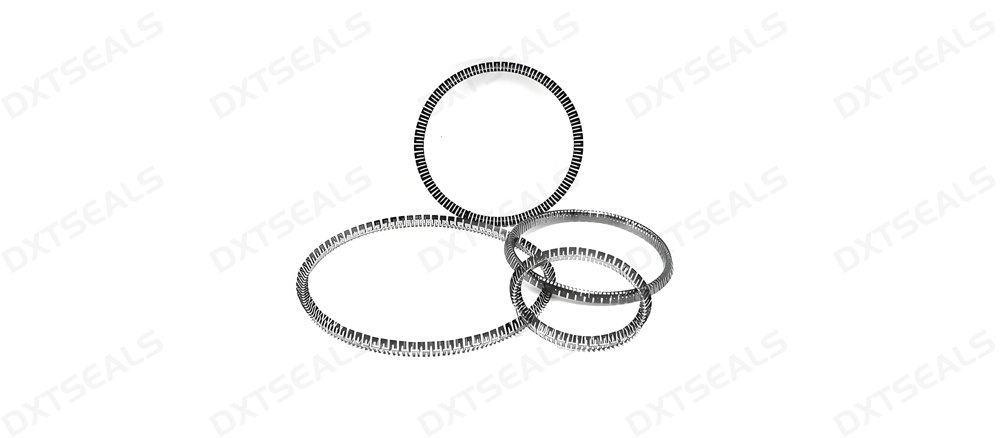
Spring energized seals are widely used in industries requiring high sealing reliability, low friction, and excellent chemical resistance. The sealing performance of these seals depends not only on PTFE materials and groove design, but also heavily on the spring load generated by the internal spring structure.
Spring load directly influences:
- Initial sealing force
- Leakage performance
- Friction characteristics
- Wear rate
- Seal lifespan
Selecting an inappropriate spring load may lead to excessive wear, unstable sealing, or insufficient pressure compensation.
This article explains how different spring loads affect spring energized seal performance and provides practical selection recommendations for engineers. At DXTSEALS, we provide customized spring energized sealing solutions optimized for specific operating conditions.
1. What Is Spring Load in a Spring Energized Seal?
Spring load refers to the force generated by the internal spring that pushes the PTFE sealing lips against the mating surface.
This preload force is critical because it:
- Creates the initial sealing contact before system pressure builds up
- Maintains sealing under low-pressure conditions
- Compensates for PTFE wear and deformation during operation
Different spring structures generate different levels of preload force, resulting in different sealing behaviors.
2. Relationship Between Spring Load and Sealing Force
Low Spring Load
A low spring load provides:
- Lower friction
- Reduced startup torque
- Smoother dynamic motion
However, insufficient spring force may cause:
- Leakage under low pressure
- Reduced sealing reliability
- Poor compensation for wear and thermal expansion
Low-load springs are typically suitable for high-speed dynamic applications where friction reduction is critical.
Medium Spring Load
Medium spring loads provide a balanced combination of:
- Reliable sealing force
- Controlled friction
- Stable wear performance
This is the most commonly used configuration for general industrial applications.
High Spring Load
High spring loads generate:
- Strong initial sealing force
- Better low-pressure sealing performance
- Improved compensation for wear and dimensional variation
However, excessive spring force may increase:
- Friction
- Heat generation
- Wear rate
- Energy consumption
High-load springs are commonly used in high-pressure or vacuum sealing systems.
3. Influence of Spring Load on Friction and Wear
Friction Characteristics
The contact force between the seal lip and mating surface increases as spring load increases.
Higher spring load leads to:
- Higher friction torque
- Increased heat generation
- Greater energy consumption
Lower spring load reduces friction but may compromise sealing reliability.
At DXTSEALS, spring load is carefully optimized to balance sealing performance and friction control.
Wear Performance
Spring load directly affects PTFE wear behavior.
Excessive Spring Load
May cause:
- Accelerated lip wear
- Increased surface damage
- Reduced service life
Insufficient Spring Load
May lead to:
- Seal instability
- Uneven contact pressure
- Leakage caused by insufficient compensation
Proper preload design is essential for extending seal lifespan.
4. Influence of Spring Load Under Different Operating Conditions
High-Speed Dynamic Applications
Key requirements:
- Low friction
- Fast spring response
- Minimal heat generation
Recommended spring load:
- Low to medium preload
Typical spring structure:
- V-spring energized seals
Typical applications:
- Aerospace systems
- Precision motion equipment
- High-speed rotary systems
High-Pressure Applications
Key requirements:
- Strong sealing force
- Anti-extrusion capability
- Stable pressure compensation
Recommended spring load:
- Medium to high preload
Typical spring structure:
- Helical spring energized seals
Typical applications:
- Oil & gas systems
- Hydraulic equipment
- High-pressure valves and pumps
Vacuum and Low-Pressure Applications
In vacuum or very low-pressure systems, the seal relies heavily on spring preload because system pressure provides little sealing assistance.
Recommended spring load:
- Higher preload force
Helical spring structures are commonly preferred in these applications.
Chemical and Corrosive Environments
In corrosive applications, spring load must remain stable over long operating periods.
This requires:
- Corrosion-resistant spring materials
- Stable PTFE material properties
Recommended materials may include:
- Hastelloy springs
- Virgin PTFE or chemically resistant filled PTFE
5. Comparison of Different Spring Structures and Load Characteristics
| Spring Type | Typical Spring Load | Friction Level | Sealing Force | Best Application |
|---|---|---|---|---|
| V-Spring | Low–Medium | Low | Moderate | Dynamic sealing |
| Helical Spring | Medium–High | Medium–High | High | High-pressure & vacuum |
| U-Spring | Medium | Medium | Balanced | General industrial use |
6. How to Select the Appropriate Spring Load
Consider Operating Pressure
- Low-pressure systems may require higher preload compensation
- High-pressure systems can utilize media pressure to assist sealing
Consider Dynamic Speed
Higher speeds require:
- Lower friction
- Reduced contact pressure
Lower spring loads are generally preferred.
Consider Temperature
High temperatures may soften PTFE materials, requiring:
- Optimized spring force compensation
- Heat-resistant spring materials
Consider Seal Lifespan Requirements
Applications requiring long service life should avoid excessive spring load that accelerates wear.
At DXTSEALS, spring preload is engineered according to actual operating conditions and lifespan targets.
7. Common Spring Load Selection Mistakes
Excessive Spring Force
May result in:
- High friction
- Rapid wear
- Increased energy consumption
Insufficient Spring Force
May cause:
- Leakage
- Seal instability
- Reduced pressure compensation capability
Ignoring Dynamic Conditions
Spring loads suitable for static sealing may perform poorly in high-speed dynamic systems.
Failing to Match Spring Load with PTFE Material
Soft PTFE materials may deform excessively under high preload conditions.
8. Future Trends in Spring Load Optimization
Advanced sealing technology is moving toward:
- Precision spring force control
- Optimized spring geometries
- Reduced friction designs
- Improved wear compensation capability
- Simulation-based preload analysis
These developments improve sealing efficiency and service life in demanding industrial applications.
At DXTSEALS, we continuously optimize spring structures and preload performance through advanced engineering and material technology.
Conclusion
Spring load is one of the most important factors affecting the sealing performance and lifespan of spring energized seals. Different preload levels directly influence:
- Sealing force
- Friction characteristics
- Wear behavior
- Pressure compensation capability
In general:
- Low spring loads are ideal for low-friction dynamic applications
- Medium spring loads provide balanced industrial performance
- High spring loads are suitable for vacuum and high-pressure sealing systems
Proper spring load selection requires careful evaluation of:
- Pressure
- Speed
- Temperature
- Media compatibility
- Lifespan requirements
At DXTSEALS, we specialize in customized spring energized sealing solutions with optimized spring load design for demanding industrial environments.
If you need assistance selecting the right spring load or spring energized seal structure, contact DXTSEALS today for expert technical support and customized sealing solutions.