
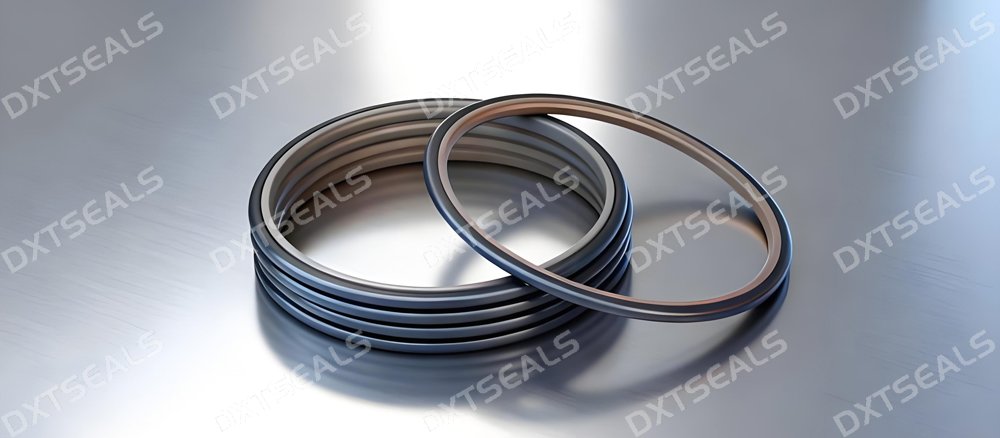
Hydraulic systems operate under high pressure, frequent motion, and harsh lubricating environments. In such demanding conditions, the performance of sealing components directly determines system stability, service life, and efficiency. Selecting the right sealing material—especially for high-pressure and wear-intensive applications—is a critical step in designing or maintaining a reliable hydraulic system.
This article explains the main sealing materials used in hydraulic applications, compares their pressure and wear resistance, and provides practical selection advice. As a professional sealing manufacturer, DXTSEALS offers material expertise and application-driven solutions for various hydraulic systems.
1. Why Seal Material Matters in Hydraulic Systems
Seals in hydraulic cylinders, pumps, valves, and actuators face multiple simultaneous stress factors:
-
High pressure (10–40 MPa, sometimes higher)
-
High linear or reciprocating speed
-
Constant friction between seal and metal surface
-
Exposure to hydraulic oil and additives
-
Temperature fluctuations
The wrong material can lead to:
-
Rapid wear or extrusion
-
Oil leakage
-
Increased energy consumption
-
Cylinder scoring or failure
-
Reduced component life
Therefore, selecting materials with excellent pressure resistance, wear resistance, and chemical compatibility is essential.
2. Common Sealing Materials Used in Hydraulic Systems
(1) NBR (Nitrile Rubber)
Characteristics:
-
Excellent oil resistance
-
Good elasticity
-
Cost-effective
Limitations:
-
Moderate wear resistance
-
Limited temperature range (–30°C to +100°C)
-
Not ideal for ultra-high-pressure systems
Applications:
Hydraulic piston seals, O-rings, basic static sealing.
(2) FKM (Viton® Fluorocarbon Rubber)
Characteristics:
-
Superior temperature resistance (up to +200°C)
-
Excellent chemical and oil resistance
Limitations:
-
Lower wear resistance than PTFE or PU
-
Higher cost
Applications:
High-temperature hydraulic equipment, chemical-resistant applications.
(3) PU (Polyurethane)
Characteristics:
-
Outstanding wear resistance
-
High tear strength
-
Excellent resistance to extrusion under high pressure
-
Good low-temperature performance
Limitations:
-
Poor performance in hot water or steam
-
Limited chemical resistance compared with PTFE
Applications:
Hydraulic cylinder rod seals, piston seals, wipers for heavy-duty industrial systems.
PU is often the first choice for high-pressure and high-load hydraulic cylinders.
(4) PTFE (Polytetrafluoroethylene)
Characteristics:
-
Extremely low friction coefficient
-
High wear resistance (especially with fillers)
-
Excellent chemical resistance
-
Works well in dry or lubricated conditions
Limitations:
-
Requires an energizing component (e.g., O-ring)
-
Not as elastic as rubber
Applications:
High-precision valves, piston seals, rotary seals, high-temperature hydraulic pumps.
PTFE-based seals (including bronze-filled or carbon-filled grades) are ideal for high-speed and high-temperature hydraulic applications.
3. Material Comparison: Pressure and Wear Resistance
| Material | Pressure Resistance | Wear Resistance | Temperature Range | Chemical Resistance | Typical Use |
|---|---|---|---|---|---|
| NBR | ★★★ | ★★ | –30°C to +100°C | Good | General hydraulic seals |
| FKM | ★★★★ | ★★★ | –20°C to +200°C | Excellent | High-temperature hydraulic systems |
| PU | ★★★★★ | ★★★★★ | –40°C to +120°C | Moderate | Heavy-duty rod/piston seals |
| PTFE (filled) | ★★★★ | ★★★★★ | –60°C to +260°C | Excellent | High-speed, high-temperature, precision systems |
PU and filled PTFE are the top materials for pressure-resistant and wear-resistant applications.
4. Selecting the Right Material: Practical Guidelines
✔ For High Pressure (20–40 MPa)
-
Choose PU rod seals and piston seals
-
Use back-up rings to prevent extrusion
-
Consider filled PTFE for high-precision cylinders
✔ For High Wear Conditions
-
Use PU for linear motion systems
-
Use filled PTFE for fast-cycling actuators or servo valves
✔ For High Temperature (+150°C and above)
-
Choose FKM or PTFE sealing components
✔ For Chemical Contact (Additives, Special Fluids)
-
PTFE offers the best compatibility
-
FKM is also suitable for aggressive oils
✔ For Harsh Environments (Dust, Sand, Heavy Load)
-
PU wipers + PU or PTFE rod seals
-
Reinforced designs preferred
5. DXTSEALS Material Solutions for Hydraulic Systems
DXTSEALS provides customized sealing solutions with high-performance materials:
-
PU seals for excavators, presses, and industrial cylinders
-
PTFE piston seals and guide rings for precision hydraulics
-
FKM O-rings for high-temperature pumps
-
NBR seals for general hydraulic applications
With advanced manufacturing technology and strong material expertise, DXTSEALS ensures long-life, reliable sealing performance across various hydraulic systems.
Conclusion
Hydraulic system reliability depends heavily on the correct selection of sealing materials. Each material offers unique strengths:
-
NBR: affordable and practical
-
FKM: excellent for heat and chemicals
-
PU: best for pressure and wear
-
PTFE: superior for speed, temperature, and chemical exposure
By understanding operating conditions—pressure, temperature, motion speed, and fluid type—you can select the most suitable and durable sealing material. For professional consulting and custom solutions, DXTSEALS is ready to support your hydraulic sealing needs.