
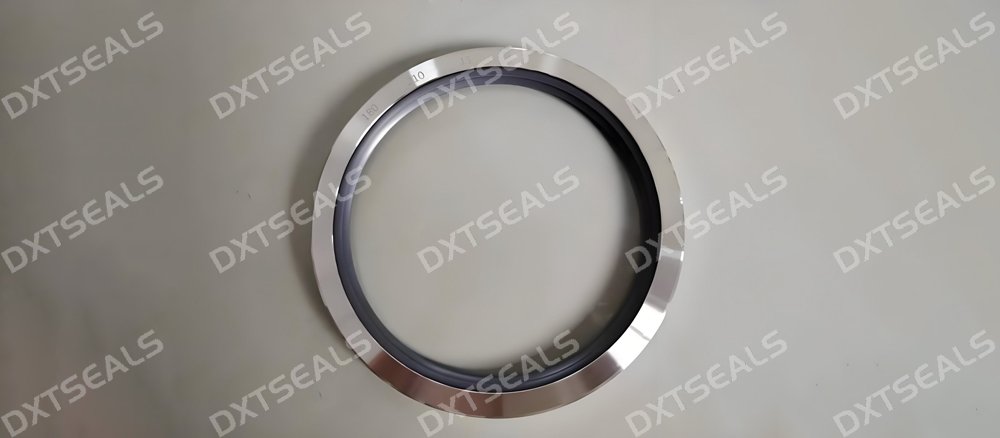
Sealing components—such as oil seals, shaft seals, and O-rings—play a critical role in an air compressor. They prevent oil leakage, ensure proper lubrication, and protect internal parts from contamination. However, sealing components wear over time due to friction, heat, pressure, and oil exposure.
Understanding the replacement cycle of compressor seals and implementing a planned maintenance strategy can effectively avoid unexpected shutdowns and extend equipment lifespan.
This guide provides practical recommendations based on field experience and sealing engineering capability from DXTSEALS, a professional manufacturer of industrial sealing components.
1️⃣ How Often Should Air Compressor Seals Be Replaced?
Sealing components don’t have a universal replacement frequency because their lifespan depends on several factors: operating temperature, pressure, speed, and lubricant compatibility.
🔧 Recommended Replacement Cycle (General Guidelines)
| Seal Type | Typical Replacement Cycle | Notes |
|---|---|---|
| Oil Seal (Shaft Seal) | 6–12 months | Replace sooner if leakage or wear is detected |
| O-Ring / Sealing Ring | 3–6 months | Replace when housing is disassembled |
| PTFE / Special Seals | 12–24 months | Longer lifespan under high pressure and high temperature |
If the compressor runs continuously or in harsh conditions, inspect more frequently and shorten replacement cycles.
2️⃣ Key Signs That a Seal Needs Replacement
Replace immediately if any of the following occur:
-
Oil or grease leakage around the shaft
-
Oil consumption increases abnormally
-
Visible scratches, cracks, or hardening of the seal
-
Vibration or noise caused by insufficient lubrication
-
Oil contamination detected in compressed air
Seals should never be reused after removal.
3️⃣ Recommended Preventive Maintenance Plan
A structured maintenance plan helps avoid seal-related failures.
✅ Monthly Inspection
-
Check for oil leakage around oil seals and shaft seals
-
Examine pressure, temperature, and vibration changes
✅ Quarterly Maintenance
-
Replace O-rings or sealing rings
-
Inspect oil scraper ring wear and shaft surface finish
✅ Annual Maintenance
-
Replace oil seals and shaft seals
-
Evaluate PTFE or high-performance seals for extended use
-
Check shaft wear and housing clearance
Tip from DXTSEALS: Always lubricate seals with compatible oil or grease during installation to avoid dry friction.
4️⃣ How to Extend Seal Service Life
| Maintenance Action | Benefit |
|---|---|
| Choose the correct material (NBR / FKM / PTFE) | Ensures seal compatibility with oil, heat, pressure |
| Keep the shaft surface smooth (Ra ≤ 0.2–0.8 μm) | Reduces friction and wear |
| Control installation force and alignment | Prevents seal lip deformation |
| Maintain a clean lubrication system | Avoids contamination and premature wear |
5️⃣ Why Material Selection Matters
Different seals require different materials depending on compressor working conditions.
| Material | Properties | Suitable Conditions |
|---|---|---|
| NBR | Good oil resistance, economical | ≤ 100°C standard compressors |
| FKM (Viton) | Heat resistant, excellent sealing durability | High temperature compressors |
| PTFE | Ultra-low friction, extreme chemical resistance | High speed / high pressure systems |
DXTSEALS provides custom-designed sealing solutions based on compressor operating conditions.
🏆 Why Choose DXTSEALS?
✔ Professional manufacturer of oil seals, PTFE seals, shaft seals
✔ Custom production available for OEM air compressors
✔ Fast delivery, supports drawing + sample customization
DXTSEALS helps customers reduce shutdown risks and improve long-term equipment stability.
✅ Conclusion
A proactive sealing maintenance plan is the most effective way to prevent compressor failure. By establishing an inspection schedule, monitoring wear conditions, and replacing seals regularly, you can:
-
Maintain efficient air compression
-
Reduce oil leakage and energy waste
-
Extend equipment and bearing lifespan
Planned maintenance costs less than emergency downtime.