
Introduction
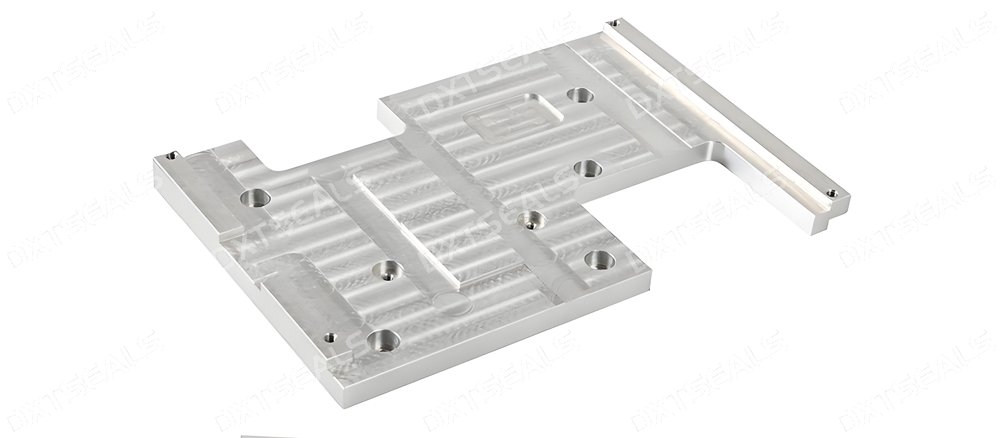
Aluminum alloys have become one of the most popular materials in modern manufacturing due to their unique combination of low density, excellent machinability, and high dimensional accuracy. In industries where weight reduction and precision are critical, aluminum alloy machining provides an ideal solution.
This article explores the key advantages of aluminum alloy machining and explains why it is widely chosen for high-performance industrial applications.
Why Aluminum Alloys Are Ideal for Machining
Aluminum alloys offer a balance of mechanical strength and lightweight properties. Their favorable cutting behavior allows for high-speed machining with excellent surface quality, making them suitable for both prototyping and mass production.
Key Advantages of Aluminum Alloy Machining
Lightweight Characteristics
Aluminum alloys have a significantly lower density compared to steel, enabling substantial weight reduction without compromising structural integrity.
Benefits include:
-
Improved energy efficiency
-
Easier handling and assembly
-
Reduced transportation and operating costs
Excellent Machinability
Aluminum alloys can be machined at high cutting speeds with minimal tool wear.
Key benefits:
-
Shorter cycle times
-
Lower machining costs
-
Consistent dimensional accuracy
High Precision and Surface Quality
CNC aluminum machining allows tight tolerances and smooth surface finishes, meeting the demands of precision components.
Good Thermal and Electrical Conductivity
Aluminum alloys dissipate heat effectively, improving machining stability and component performance in thermal applications.
Corrosion Resistance
Many aluminum alloys form a natural oxide layer that protects against corrosion, especially when combined with surface treatments such as anodizing.
At DXTSEALS, aluminum alloy machining supports the production of precision housings, structural components, and sealing-related hardware.
Common Aluminum Alloys Used in Machining
-
6061 Aluminum – Excellent balance of strength, machinability, and corrosion resistance
-
6063 Aluminum – Ideal for high-quality surface finishes
-
7075 Aluminum – High strength for aerospace and high-performance applications
Each alloy is selected based on mechanical requirements and application conditions.
Typical Machining Processes for Aluminum Alloys
-
CNC milling for complex shapes and precision features
-
CNC turning for cylindrical components
-
Drilling and tapping for assembly interfaces
-
Finishing processes such as anodizing for enhanced durability
Typical Industrial Applications
Aerospace and Automotive
Lightweight aluminum parts reduce overall system weight and improve fuel efficiency.
Electronics and Heat Management
Aluminum’s thermal conductivity makes it ideal for heat sinks and electronic enclosures.
Machinery and Automation
Precision aluminum components improve machine responsiveness and efficiency.
Sealing and Precision Components
Aluminum alloy parts are widely used for seal housings, covers, and supporting structures.
Comparison with Other Metals
Compared to steel and stainless steel, aluminum alloys offer faster machining speeds and lower weight, while still meeting many structural and precision requirements.
Conclusion
Aluminum alloy machining combines lightweight performance with high precision and cost efficiency. Its excellent machinability and versatility make it an ideal choice for a wide range of industrial applications.
By selecting the appropriate aluminum alloy and machining strategy, manufacturers can achieve optimal performance, precision, and long-term value.