
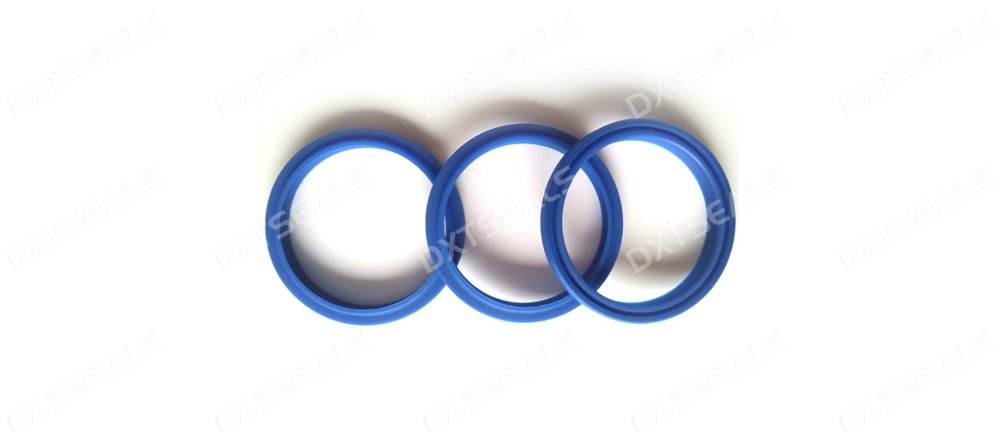
The DHS polyurethane oil seal is a single-acting hydraulic sealing element designed primarily for piston rod sealing in hydraulic cylinders. Manufactured from high-performance polyurethane (PU), the DHS seal offers excellent wear resistance, elasticity, and pressure resistance, making it one of the most widely used sealing solutions in hydraulic systems.
Suitable for construction machinery, industrial equipment, agricultural machinery, and mobile hydraulic systems, DHS polyurethane oil seals help prevent hydraulic fluid leakage while protecting equipment from contaminants, ensuring stable operation and extended service life.
What Is a DHS Polyurethane Oil Seal?
A DHS polyurethane oil seal is a rod seal specifically designed for reciprocating hydraulic applications. Its optimized lip structure provides reliable sealing under pressure while maintaining low friction during operation.
Compared with conventional rubber seals, polyurethane DHS seals offer improved mechanical strength and superior resistance to abrasion, making them ideal for demanding hydraulic environments.
Typical applications include:
- Hydraulic cylinders
- Hydraulic presses
- Excavators
- Loaders
- Cranes
- Injection molding machines
- Agricultural equipment
- Industrial automation systems
Structural Features of DHS Polyurethane Oil Seals
The performance of a DHS seal is largely determined by its carefully engineered profile.
Key structural features include:
- Single-acting sealing design
- Precision sealing lip
- Flexible sealing edge
- Compact cross-sectional profile
- Easy installation
- Stable sealing under pressure
The sealing lip automatically adjusts to hydraulic pressure, maintaining effective contact with the piston rod while minimizing friction and wear.
Advantages of Polyurethane Material
Polyurethane has become one of the preferred materials for hydraulic seals because of its excellent mechanical properties.
Outstanding Wear Resistance
Polyurethane provides significantly better abrasion resistance than many conventional elastomer materials, making it suitable for high-cycle hydraulic applications.
High Mechanical Strength
Its excellent tensile and tear strength helps maintain sealing integrity under demanding operating conditions.
Excellent Elastic Recovery
Polyurethane quickly returns to its original shape after compression, ensuring consistent sealing performance over long periods.
Low Compression Set
The material maintains sealing force even after prolonged use, reducing the risk of leakage.
Good Oil Resistance
Polyurethane is compatible with most mineral oil-based hydraulic fluids, providing reliable sealing performance in hydraulic systems.
Long Service Life
Its combination of wear resistance and mechanical durability contributes to reduced maintenance and longer replacement intervals.
Performance Advantages of DHS Oil Seals
The DHS seal is designed to deliver reliable performance under a wide range of operating conditions.
Its main advantages include:
- Excellent sealing efficiency
- High wear resistance
- Low friction operation
- Reliable pressure sealing
- Good extrusion resistance
- Long operational life
- Easy installation
- Stable performance under dynamic movement
These characteristics help improve hydraulic system efficiency while reducing downtime and maintenance costs.
Typical Hydraulic Applications
DHS polyurethane oil seals are widely used in various hydraulic equipment.
Hydraulic Cylinders
The primary application of DHS seals is piston rod sealing in hydraulic cylinders, where they prevent hydraulic fluid leakage during reciprocating movement.
Construction Machinery
Heavy-duty construction equipment relies on DHS seals to withstand dust, vibration, and continuous operation.
Typical equipment includes:
- Excavators
- Bulldozers
- Wheel loaders
- Backhoe loaders
- Road rollers
Industrial Hydraulic Equipment
Industrial machinery benefits from the reliable sealing performance of DHS seals in:
- Hydraulic presses
- Machine tools
- Material handling systems
- Automation equipment
Agricultural Machinery
Hydraulic cylinders used in tractors, harvesters, and other agricultural equipment require durable seals capable of operating in harsh outdoor environments.
Typical Operating Conditions
DHS polyurethane oil seals are generally suitable for:
- Hydraulic oil systems
- Reciprocating motion
- Medium to high working pressures
- Moderate to high operating speeds
- Industrial and mobile hydraulic equipment
Actual operating limits depend on seal size, material formulation, hydraulic fluid, pressure, temperature, and system design.
Material Options
Although polyurethane is the standard material for DHS seals, different formulations can be selected according to application requirements.
Available material options may include:
- Standard polyurethane (PU)
- High-performance polyurethane
- Low-temperature polyurethane
- High-temperature polyurethane
- Hydrolysis-resistant polyurethane
Selecting the appropriate material improves sealing performance and extends service life under specific operating conditions.
Precision Manufacturing and Quality Control
High-quality DHS polyurethane oil seals are manufactured using advanced production processes and strict quality inspection.
Typical manufacturing procedures include:
- Precision mold manufacturing
- Polyurethane molding
- Dimensional inspection
- Surface quality inspection
- Material verification
- Final product testing
Consistent manufacturing quality ensures stable sealing performance and excellent interchangeability.
OEM and Custom DHS Polyurethane Seals
In addition to standard sizes, manufacturers can provide custom sealing solutions for specialized hydraulic applications.
Custom services include:
- OEM manufacturing
- Production according to customer drawings
- Non-standard dimensions
- Customized polyurethane materials
- Prototype development
- Small and large production batches
Custom-engineered DHS seals can be optimized for unique operating pressures, installation grooves, and equipment designs.
How to Select the Right DHS Oil Seal
When selecting a DHS polyurethane oil seal, consider the following factors:
- Rod diameter
- Groove dimensions
- Working pressure
- Operating temperature
- Hydraulic fluid compatibility
- Reciprocating speed
- Environmental conditions
- Equipment operating cycle
Proper seal selection helps maximize sealing efficiency and reduce maintenance requirements.
Conclusion
DHS polyurethane oil seals are widely recognized for their excellent wear resistance, mechanical strength, and reliable sealing performance in hydraulic systems. Their optimized lip design and high-quality polyurethane material make them an ideal solution for hydraulic cylinders, construction machinery, industrial equipment, and mobile hydraulic applications.
Whether you require standard DHS seals or customized polyurethane sealing solutions, selecting precision-manufactured products from an experienced supplier helps improve hydraulic system reliability, reduce leakage, and extend equipment service life.