
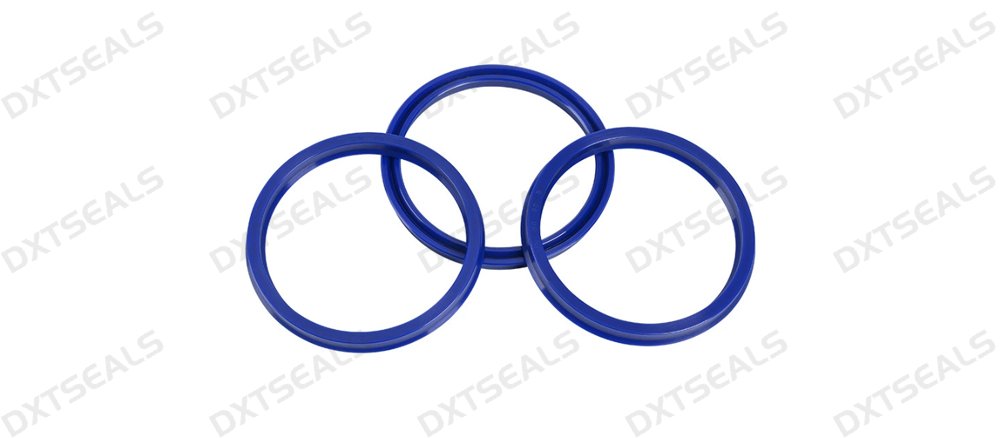
Hydraulic cylinders rely on multiple sealing components to maintain system pressure, prevent fluid leakage, and protect internal parts from contamination. Among the most commonly used polyurethane seals are the DHS rod seal, UHS rod seal, and FA wiper seal. Although these seals are often used together, each performs a different function within a hydraulic system.
Understanding the differences between DHS, UHS, and FA seals helps equipment manufacturers, maintenance engineers, and OEM suppliers choose the most suitable sealing solution for specific operating conditions.
Understanding the Role of Each Seal
A hydraulic cylinder typically requires more than one sealing component to achieve reliable performance. While rod seals retain hydraulic pressure, wiper seals prevent contaminants from entering the cylinder.
The three seal types perform different tasks:
- DHS Seal – Dynamic rod seal designed to prevent hydraulic oil leakage.
- UHS Seal – High-performance rod seal designed for smooth reciprocating motion and low friction.
- FA Seal – Wiper (dust) seal designed to remove contaminants from the piston rod.
When properly combined, these seals work together to improve sealing efficiency and extend equipment service life.
DHS Polyurethane Seal
The DHS seal is a single-acting rod seal commonly used in hydraulic cylinders.
Key Features
- Compact sealing profile
- Excellent pressure sealing performance
- High wear resistance
- Good extrusion resistance
- Easy installation
- Long service life
Advantages
The DHS seal provides stable sealing under medium and high hydraulic pressure while maintaining reliable dynamic performance.
Its main benefits include:
- Effective hydraulic oil retention
- Excellent abrasion resistance
- Reliable sealing under continuous operation
- Reduced maintenance requirements
Typical Applications
DHS seals are widely used in:
- Hydraulic cylinders
- Construction machinery
- Agricultural equipment
- Hydraulic presses
- Material handling equipment
- Industrial hydraulic systems
UHS Polyurethane Seal
The UHS seal is also a single-acting rod seal, but its profile is optimized for smoother movement and reduced friction.
Key Features
- Optimized sealing lip
- Low friction design
- Excellent dynamic sealing
- High wear resistance
- Stable pressure performance
Advantages
Compared with many standard rod seals, the UHS profile offers:
- Lower running friction
- Smooth reciprocating movement
- Reduced heat generation
- Longer rod and seal life
- Excellent sealing efficiency
These characteristics make the UHS seal suitable for applications requiring high operating speeds and frequent cycling.
Typical Applications
UHS seals are commonly used in:
- Hydraulic cylinders
- Automation equipment
- Injection molding machines
- Industrial machinery
- Mobile hydraulic equipment
FA Wiper Seal
Unlike DHS and UHS seals, the FA seal is not a pressure seal.
Its primary function is to prevent external contaminants from entering the hydraulic cylinder.
Key Features
- Precision wiping lip
- Excellent contaminant removal
- Compact installation
- Low friction
- Reliable rod cleaning
Advantages
The FA wiper seal helps protect hydraulic systems by:
- Removing dust from the rod surface
- Preventing dirt and moisture from entering the cylinder
- Protecting internal rod seals
- Extending hydraulic system life
- Reducing maintenance costs
Typical Applications
FA seals are widely used in:
- Construction equipment
- Agricultural machinery
- Mining equipment
- Industrial hydraulic cylinders
- Outdoor hydraulic systems
Comparison of DHS, UHS, and FA Seals
| Feature | DHS Seal | UHS Seal | FA Wiper Seal |
|---|---|---|---|
| Primary Function | Prevent hydraulic oil leakage | Prevent hydraulic oil leakage | Prevent dust and contaminants from entering |
| Seal Type | Single-acting rod seal | Single-acting rod seal | Wiper (dust) seal |
| Pressure Resistance | Excellent | Excellent | Not pressure-bearing |
| Friction | Low | Very low | Very low |
| Wear Resistance | Excellent | Excellent | Excellent |
| Dynamic Performance | Excellent | Excellent, especially at higher speeds | Rod cleaning only |
| Main Material | Polyurethane (PU) | Polyurethane (PU) | Polyurethane (PU), NBR, or FKM |
| Installation Position | Inside cylinder head | Inside cylinder head | Outer end of cylinder head |
How to Choose the Right Seal
Choosing the correct seal depends on the function required within the hydraulic system.
Choose a DHS Seal When:
- Reliable pressure sealing is required.
- Medium- to high-pressure hydraulic systems are used.
- General industrial hydraulic cylinders are involved.
- Long wear life is important.
Choose a UHS Seal When:
- Lower friction is preferred.
- High-speed reciprocating motion is expected.
- Smooth rod movement is essential.
- Equipment operates with frequent cycling.
Choose an FA Wiper Seal When:
- Hydraulic cylinders operate in dusty environments.
- Protection from mud, sand, or water is required.
- Internal seals need additional protection.
- Equipment is exposed to outdoor conditions.
Why These Seals Are Often Used Together
A hydraulic cylinder typically combines these seals to achieve complete protection.
A common sealing arrangement includes:
- FA Wiper Seal at the outer end to remove dust and debris.
- UHS or DHS Rod Seal inside the cylinder head to retain hydraulic pressure.
- Additional guide rings and O-rings as required by the cylinder design.
This combination helps:
- Prevent hydraulic oil leakage
- Keep contaminants out
- Protect internal components
- Improve sealing reliability
- Extend cylinder service life
Material Advantages of Polyurethane
Most DHS, UHS, and FA seals are manufactured from high-quality polyurethane because it offers excellent mechanical performance.
Polyurethane provides:
- Outstanding wear resistance
- High tensile strength
- Excellent tear resistance
- Good elasticity
- Low compression set
- Good resistance to hydraulic oils
- Long operating life
These properties make polyurethane one of the most widely used materials for dynamic hydraulic sealing applications.
OEM and Custom Polyurethane Seals
In addition to standard sizes, manufacturers can provide custom sealing solutions for specialized hydraulic equipment.
Custom services include:
- OEM manufacturing
- Production according to customer drawings
- Non-standard dimensions
- Customized polyurethane compounds
- Prototype development
- Small and large production runs
Precision manufacturing ensures compatibility with both standard and custom hydraulic cylinder designs.
Conclusion
DHS, UHS, and FA polyurethane seals each perform a unique role in hydraulic systems. DHS seals provide reliable pressure sealing for general hydraulic applications, UHS seals offer lower friction and smoother dynamic performance for demanding operating conditions, and FA wiper seals protect hydraulic cylinders by preventing dust and contaminants from entering the system.
Selecting the right seal—or combining all three in a well-designed sealing system—can significantly improve hydraulic efficiency, reduce maintenance costs, and extend the service life of hydraulic cylinders and industrial equipment.