
Introduction
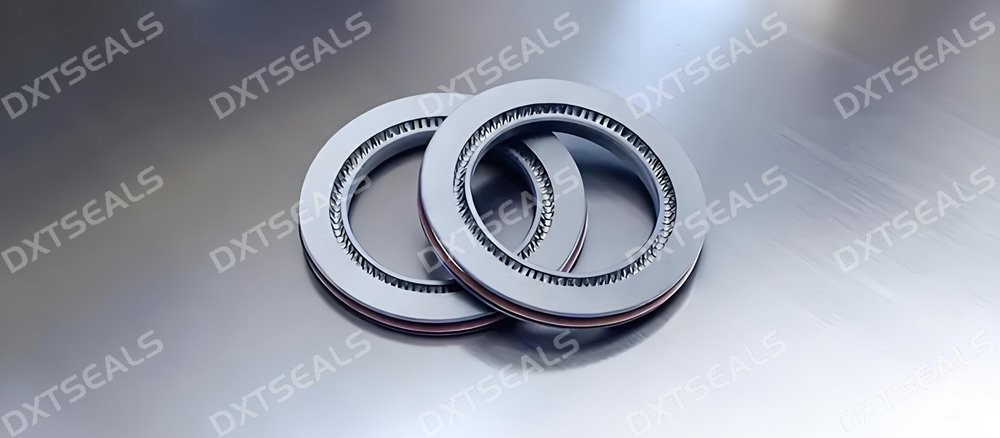
Spring energized seals are widely used in industries that require high sealing reliability, low friction, and excellent chemical resistance. Their unique design combines a PTFE sealing jacket with an internal metal spring, allowing them to perform under extreme temperatures, pressures, and dynamic conditions.
Among all design factors, the spring structure plays a critical role in determining:
- Initial sealing force
- Dynamic response capability
- Friction characteristics
- Wear resistance
- Service life
Different spring designs provide different sealing behaviors and are suitable for different applications.
This article explains how spring structures influence the performance and lifespan of spring energized seals. At DXTSEALS, we provide customized sealing solutions optimized for demanding industrial environments.
1. The Function of Springs in Spring Energized Seals
The spring inside a spring energized seal performs several important functions:
- Provides continuous contact force between the seal and mating surface
- Compensates for PTFE wear and deformation
- Maintains sealing performance during pressure fluctuations
- Enhances sealing reliability in low-pressure conditions
Without the spring, PTFE alone may not maintain stable sealing performance over long operating periods.
2. How Spring Structure Affects Sealing Performance
Initial Sealing Force
Different spring designs generate different levels of preload force.
- Higher preload improves low-pressure sealing performance
- Lower preload reduces friction and wear
The balance between sealing force and friction directly impacts efficiency and durability.
Dynamic Response Capability
In dynamic applications, the spring must quickly respond to:
- Shaft movement
- Pressure changes
- Thermal expansion
Responsive spring structures help maintain stable contact pressure and reduce leakage.
V-shaped springs are especially effective in high-speed dynamic applications because of their fast elastic response.
Pressure Compensation
As operating pressure changes, the spring structure helps compensate for:
- Material creep
- Surface wear
- Thermal deformation
Helical springs typically provide stronger compensation capability than simpler spring structures.
3. Influence on Friction and Wear
Low Friction Performance
Spring force directly affects friction levels:
- Excessive spring force increases friction and heat generation
- Insufficient spring force may lead to leakage
Proper spring selection ensures an optimal balance between sealing reliability and energy efficiency.
Wear Resistance and Service Life
The interaction between spring force and PTFE material influences wear rate.
A well-designed spring structure helps:
- Distribute load evenly
- Reduce localized stress
- Minimize excessive deformation
This significantly extends seal service life.
At DXTSEALS, spring geometry is carefully optimized to reduce wear while maintaining stable sealing performance.
4. Comparison of Common Spring Structures
V-Spring Structure
Characteristics
- Cantilever-style spring design
- Low and consistent spring force
- Fast elastic response
Advantages
- Excellent dynamic sealing performance
- Low friction
- Suitable for high-speed movement
Impact on Service Life
- Reduced friction lowers wear
- Ideal for reciprocating and rotary systems
Typical Applications
- Hydraulic systems
- Aerospace equipment
- Precision motion systems
Helical Spring Structure
Characteristics
- Coil-shaped continuous spring
- Provides strong radial force
Advantages
- Excellent sealing capability under low pressure and vacuum
- Strong wear compensation ability
- High sealing reliability
Impact on Service Life
- Superior compensation for PTFE wear extends lifespan
- Suitable for long-term critical sealing applications
Typical Applications
- Semiconductor industry
- Oil & gas systems
- Vacuum equipment
U-Spring Structure
Characteristics
- Balanced spring geometry
- Moderate preload force
Advantages
- Balanced sealing performance
- Moderate friction characteristics
- Cost-effective design
Impact on Service Life
- Suitable for general industrial applications
- Provides stable performance under moderate conditions
Typical Applications
- Pumps and valves
- Industrial machinery
- Medium-pressure systems
5. Relationship Between Spring Structure and Operating Conditions
High-Pressure Applications
Require springs with:
- Strong sealing force
- Excellent anti-deformation capability
Helical springs are commonly preferred for these environments.
High-Speed Dynamic Applications
Require:
- Low friction
- Rapid spring response
V-springs are generally the best option.
Thermal Cycling Conditions
Frequent temperature changes demand springs with:
- Excellent elastic recovery
- Fatigue resistance
Helical and U-spring structures often perform well under thermal cycling.
6. Factors Affecting Seal Lifespan Beyond Spring Structure
Although spring structure is critical, seal lifespan is also influenced by:
- PTFE material and filler selection
- Groove design accuracy
- Surface finish quality
- Operating temperature and pressure
- Chemical compatibility
Proper system design ensures the spring structure can perform effectively over time.
7. Common Design and Selection Mistakes
Excessive Spring Force
May lead to:
- Increased friction
- Accelerated wear
- Reduced efficiency
Insufficient Spring Compensation
Can result in:
- Leakage
- Loss of sealing force over time
Incorrect Spring Type for Application
For example:
- Using a low-force spring in high-pressure systems
- Using a high-friction spring in high-speed dynamic applications
At DXTSEALS, we carefully analyze operating conditions to avoid these issues and maximize seal performance.
Conclusion
The spring structure is one of the most important factors affecting the sealing performance and service life of spring energized seals. Different spring designs provide different advantages:
- V-springs offer low friction and excellent dynamic response
- Helical springs provide strong sealing force and superior compensation capability
- U-springs deliver balanced performance for general applications
Selecting the right spring structure based on operating conditions ensures:
- Reliable sealing
- Reduced wear
- Longer service life
- Improved system efficiency
At DXTSEALS, we specialize in customized spring energized sealing solutions engineered for optimal long-term performance.
If you need help selecting the right spring structure for your application, contact DXTSEALS today for expert support and customized sealing solutions.