
Selecting the right sealing solution is one of the most important decisions in industrial equipment design, maintenance, and procurement. A seal may look like a relatively small component in a pump, compressor, gearbox, valve, or processing machine, but its influence on leakage control, equipment reliability, maintenance frequency, operating cost, and even plant safety can be significant.
One of the most common questions engineers and buyers face is whether an application should use a mechanical seal or a conventional sealing component such as an O-ring, oil seal, gasket, PTFE seal, or packing seal. In some cases, the answer is obvious. In many others, however, the boundary is less clear—especially when the equipment involves rotating shafts, pressure, temperature fluctuations, aggressive media, or long service-life requirements.
The challenge is that mechanical seals and conventional seals are not direct substitutes in every application. They are designed for different sealing tasks, different motion conditions, and different levels of performance demand. Choosing the wrong solution can lead to leakage, excessive wear, unplanned downtime, premature shaft damage, or unnecessary cost.
This article explains the key engineering factors that determine whether a mechanical seal or a conventional seal is the better choice, and provides a practical framework for making the right decision in real industrial applications.
Mechanical Seals vs Conventional Seals: Why the Choice Matters
Before looking at the selection factors, it is important to understand why this decision has such a major impact on equipment performance.
A seal is not selected in isolation. It must work within the actual operating environment of the machine, which may involve:
- static or dynamic sealing conditions
- shaft rotation or reciprocating motion
- pressure and vacuum fluctuations
- high or low temperatures
- corrosive, abrasive, or sanitary media
- lubrication retention or process-fluid containment
- maintenance constraints and service-life expectations
A conventional seal may be the best and most economical option in one machine, while a mechanical seal may be essential in another—even if both systems appear to involve “shaft sealing.” The difference lies in the operating requirements.
What Counts as a Conventional Seal?
In this article, conventional seals refer to commonly used sealing products such as:
- O-rings
- gaskets
- oil seals / radial shaft seals
- lip seals
- packing seals
- PTFE seals
- spring-energized seals in non-mechanical-seal applications
These sealing products are widely used because they are often:
- structurally simple
- cost-effective
- easy to install and replace
- suitable for static sealing and many moderate-duty dynamic applications
Conventional seals remain essential across countless industrial systems and should not be seen as “inferior” to mechanical seals. The key is understanding where they fit best.
What Makes a Mechanical Seal Different?
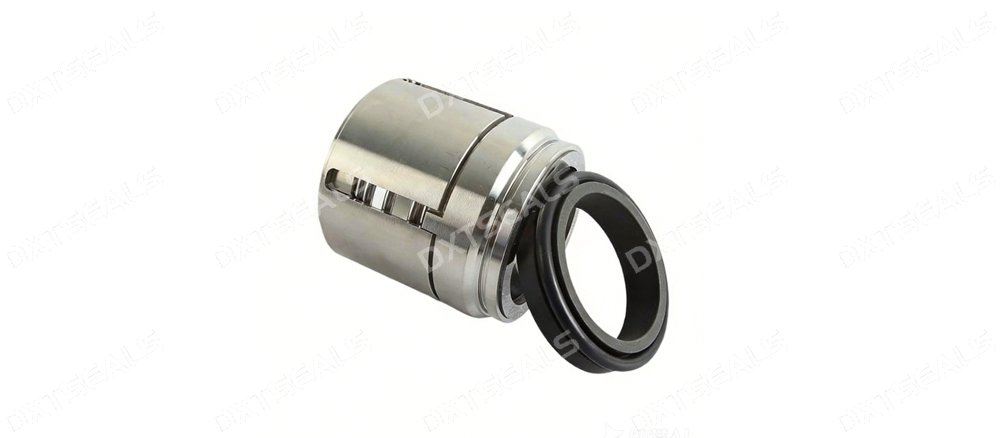
A mechanical seal is a specialized sealing system designed mainly for rotating equipment where process-fluid leakage must be controlled under dynamic operating conditions.
A typical mechanical seal includes:
- a rotating seal face
- a stationary seal face
- springs or bellows
- secondary seals such as O-rings or PTFE elements
- metal hardware for positioning and drive
Mechanical seals are engineered to handle sealing challenges that are often beyond the capability of ordinary seals, especially in:
- pumps
- compressors
- mixers and agitators
- reactors
- process equipment with rotating shafts
Their value becomes especially clear when the application involves pressure, speed, demanding media, or strict leakage control requirements.
The First Key Factor: Is the Sealing Task Static or Dynamic?
The first and most important question in seal selection is whether the application involves static sealing or dynamic sealing.
1. Static Sealing Usually Favors Conventional Seals
If there is no relative movement between the sealing surfaces after assembly, the application is static.
Typical static sealing points:
- pipe flanges
- valve covers
- pump casings
- housing joints
- instrumentation covers
- static end caps
In these applications, conventional seals such as O-rings, gaskets, PTFE gaskets, and bonded seals are usually the correct choice because:
- they are specifically designed for static compression sealing
- they are simple and cost-effective
- they provide reliable leakage control in stationary joints
- a mechanical seal would be structurally unnecessary
Engineering conclusion:
If the sealing point is purely static, a mechanical seal is generally not needed. A properly selected conventional static seal is usually the best solution.
2. Dynamic Sealing Requires a More Detailed Evaluation
If there is relative motion between sealing surfaces, the application is dynamic. However, dynamic sealing itself includes several categories:
- reciprocating motion
- oscillating motion
- rotary shaft motion
This is where the selection becomes more complex, because some dynamic applications still belong to conventional seals, while others require mechanical seals.
The Second Key Factor: What Type of Motion Is Involved?
Motion type is one of the clearest boundaries between mechanical seals and conventional seals.
3. Reciprocating or Linear Motion Often Still Favors Conventional Seals
In hydraulic cylinders, pneumatic systems, and reciprocating rods, the motion is usually linear rather than continuous shaft rotation.
Typical seals used here include:
- O-rings
- U-cups
- PTFE piston seals
- rod seals
- spring-energized seals
- wipers and scrapers
These products are designed specifically for reciprocating sealing tasks and can perform very well when the groove design, material, and operating conditions are correct.
Typical applications:
- hydraulic cylinders
- pneumatic actuators
- valve stems
- reciprocating pumps
- linear motion equipment
Engineering conclusion:
If the application involves reciprocating or moderate linear dynamic sealing, conventional seals are often the correct solution. A mechanical seal is usually not the first choice.
4. Rotary Motion Requires Distinguishing Between Lubrication Sealing and Process Sealing
Rotary shaft applications are where the boundary becomes most important.
Not every rotating shaft needs a mechanical seal. The correct choice depends on what is being sealed and under what conditions.
The Third Key Factor: Are You Sealing Lubricant or Process Fluid?
This is one of the most practical decision points for engineers.
5. Lubricant Retention Applications Often Favor Oil Seals
If the primary task is to retain lubricating oil or grease and exclude contaminants from a shaft-driven machine, a radial shaft seal (oil seal) is often the best option.
Typical applications:
- gearboxes
- electric motors
- reducers
- wheel hubs
- bearing housings
- agricultural and industrial drive systems
Why oil seals are suitable:
- low cost
- compact design
- easy installation
- good performance in low-pressure lubrication systems
- effective dust and contamination exclusion
In these applications, the seal is usually not required to contain a pressurized process fluid. Instead, it protects the lubrication environment of the equipment.
Engineering conclusion:
If the application is mainly lubricant retention + contamination exclusion, and pressure and speed are within normal limits, a conventional oil seal is often sufficient.
6. Process-Fluid Sealing Around a Rotating Shaft Often Favors Mechanical Seals
If the shaft passes through a housing containing water, chemicals, slurry, solvent, food product, pharmaceutical liquid, or other process media, the sealing challenge is very different.
Typical applications include:
- centrifugal pumps
- chemical pumps
- mixers
- agitators
- compressors
- reactors
In these systems, the seal must often:
- prevent leakage of the actual process fluid
- operate under pressure
- tolerate shaft movement and speed
- resist chemical attack or thermal stress
- maintain reliability over long operating cycles
This is where mechanical seals become the preferred solution.
Engineering conclusion:
If the sealing point involves a rotating shaft + process fluid + meaningful leakage control requirement, a mechanical seal should usually be considered first.
The Fourth Key Factor: How Much Pressure Must the Seal Handle?
Pressure is one of the strongest indicators that a sealing task may be moving beyond the range of conventional seals.
7. Low-Pressure Systems Can Often Use Conventional Seals
Conventional seals work well in many low-pressure applications, such as:
- static flange joints
- low-pressure hydraulic systems
- bearing housings
- gearboxes
- low-pressure utility equipment
In these environments, an O-ring, gasket, or oil seal may provide reliable sealing at low cost.
8. Medium to High Pressure Often Pushes the Choice Toward Mechanical Seals
When the sealed fluid is under pressure—especially in rotary equipment—conventional dynamic seals may face limitations such as:
- lip deformation
- elastomer extrusion
- accelerated wear
- unstable leakage performance
- shaft damage under high contact load
Mechanical seals are much better suited for pressure-bearing rotary sealing because their structure is designed to maintain a controlled sealing interface under load.
Engineering conclusion:
If the application combines rotary motion + process fluid + medium/high pressure, the decision often shifts strongly toward a mechanical seal.
The Fifth Key Factor: What Is the Shaft Speed?
Shaft speed directly affects friction, heat generation, and wear.
9. Moderate-Speed Rotary Applications May Still Use Oil Seals
Oil seals can perform well in many standard-speed machines when:
- pressure is low
- the medium is lubricating oil or grease
- the shaft surface is properly prepared
- temperature remains within material limits
Examples include standard motors, reducers, and industrial transmissions.
10. High-Speed Rotary Process Applications Usually Favor Mechanical Seals
At higher shaft speed, conventional lip-type rotary seals may experience:
- excessive frictional heat
- lip wear
- shaft grooving
- reduced sealing life
Mechanical seals, by contrast, are designed to operate with a controlled lubricating film between seal faces, making them more suitable for demanding high-speed service.
Engineering conclusion:
If the application involves high-speed rotating process equipment, mechanical seals are often the safer long-term choice.
The Sixth Key Factor: How Strict Are the Leakage Requirements?
Not all industrial applications demand the same level of leakage control.
11. If Slight Leakage Is Acceptable, Conventional Seals May Be Enough
In many industrial systems, a small amount of leakage or oil film may be acceptable—for example:
- grease-retaining shaft locations
- some non-critical utility systems
- certain low-risk equipment environments
In such cases, the simplicity and lower cost of conventional seals can make them the preferred choice.
12. If Leakage Must Be Minimized, Mechanical Seals Are Usually Better
If leakage can create:
- safety risks
- environmental issues
- product contamination
- chemical loss
- hygiene concerns
- expensive downtime
then a mechanical seal is usually the more appropriate solution.
This is particularly true in:
- chemical processing
- food and beverage equipment
- pharmaceutical systems
- high-purity process lines
- hazardous fluid handling
Engineering conclusion:
The stricter the leakage-control requirement, the more likely the application will justify a mechanical seal.
The Seventh Key Factor: What Is the Medium?
The sealed medium has a major influence on seal structure and material selection.
13. Simple Lubricants and Standard Fluids Often Work Well with Conventional Seals
Grease, gearbox oil, and standard non-aggressive industrial fluids are often suitable for:
- oil seals
- O-rings
- gaskets
- PTFE-based conventional seals
as long as pressure, speed, and temperature remain within design limits.
14. Aggressive, Hazardous, or High-Value Media Often Favor Mechanical Seals
Mechanical seals are commonly selected when the medium is:
- corrosive chemical liquid
- solvent
- hot water or hot oil under pressure
- slurry or contaminated process liquid
- toxic or hazardous fluid
- sanitary media requiring strict contamination control
These applications often require not only better sealing structure, but also specialized materials such as:
- Silicon Carbide
- Tungsten Carbide
- Carbon Graphite
- FKM / FFKM elastomers
- PTFE-based secondary seals
- metal bellows structures
Engineering conclusion:
The more aggressive or valuable the medium, the more likely a mechanical seal is the correct solution.
The Eighth Key Factor: What Is the Total Cost Priority—Initial Price or Lifecycle Reliability?
Seal selection should not be based only on unit price.
15. Conventional Seals Usually Offer Lower Initial Cost
O-rings, oil seals, and gaskets are usually less expensive to purchase and easier to replace. For simple equipment, this makes them highly economical.
16. Mechanical Seals Often Offer Better Lifecycle Value in Demanding Equipment
Although mechanical seals have a higher initial cost, they may reduce:
- leakage-related losses
- maintenance frequency
- shaft wear
- downtime
- environmental compliance risk
In pumps and process equipment, the total lifecycle value of a mechanical seal may be much better than repeatedly replacing a lower-cost conventional seal that is not suited to the operating conditions.
Engineering conclusion:
If the equipment is critical, expensive to stop, or costly to repair, lifecycle reliability often matters more than initial seal price.
Quick Decision Framework: Mechanical Seal or Conventional Seal?
The following simplified guide can help engineers make an initial judgment:
| Key Question | Conventional Seal More Likely | Mechanical Seal More Likely |
|---|---|---|
| Is the application static? | Yes | No |
| Is the motion reciprocating or moderate linear motion? | Yes | Rarely |
| Is the rotary application mainly for lubricant retention? | Yes | No |
| Is the shaft sealing a pressurized process fluid? | Usually no | Yes |
| Is shaft speed high? | Sometimes limited | Yes |
| Is leakage control critical? | Sometimes | Yes |
| Is the medium corrosive, hazardous, or high-value? | Limited suitability | Strong candidate |
| Is long-term rotary process reliability a priority? | Sometimes | Yes |
In Many Machines, the Answer Is Not Either/Or—Both Are Used Together
One final engineering point is essential: in many industrial systems, the correct answer is not “mechanical seal or conventional seal,” but mechanical seal plus conventional seals in different locations.
For example, a pump may use:
- a mechanical seal to contain the process fluid at the shaft
- O-rings inside the seal assembly as secondary seals
- gaskets at static housing joints
- oil seals or bearing isolators at the bearing housing
This means the goal is not to replace all conventional seals with mechanical seals, but to assign each sealing technology to the function it performs best.
DXTSEALS: Helping Engineers Choose the Right Sealing Solution
At DXTSEALS, we support customers across the full range of industrial sealing applications—from simple static sealing points to demanding rotary process systems.
Our sealing product range includes:
Conventional Sealing Products
- O-rings
- oil seals
- PTFE seals
- gaskets
- spring-energized seals
- custom sealing elements
Mechanical Seal Solutions
- standard mechanical seals
- cartridge mechanical seals
- double mechanical seals
- OEM-equivalent replacement seals
- non-standard custom mechanical seals
Engineering Support
- seal selection based on pressure, speed, media, and equipment type
- material recommendation for elastomers, PTFE compounds, and seal faces
- reverse engineering from samples or drawings
- CNC precision manufacturing
- support for both standard models and custom sealing solutions
Whether the requirement is a simple oil seal for a gearbox or a high-performance mechanical seal for a chemical pump, DXTSEALS can help identify the most suitable solution for the actual operating conditions.
Conclusion
Choosing between a mechanical seal and a conventional seal is not simply a matter of product preference—it is an engineering decision based on the actual sealing task. The most important factors include motion type, medium, pressure, shaft speed, leakage requirements, temperature, and lifecycle expectations.
Conventional seals remain the best choice for many static sealing points, reciprocating applications, and low-pressure rotary lubrication systems. Mechanical seals become increasingly necessary when the application involves rotating shafts, process-fluid containment, higher pressure, higher speed, stricter leakage control, and more demanding service conditions.
For engineers, the key is to define the real boundary of the sealing problem before selecting the product. A well-matched seal improves reliability, reduces downtime, protects equipment, and lowers long-term operating cost.
With experience in both mechanical seals and conventional sealing technologies, DXTSEALS provides practical support for customers seeking reliable sealing solutions across a wide range of industrial applications.