
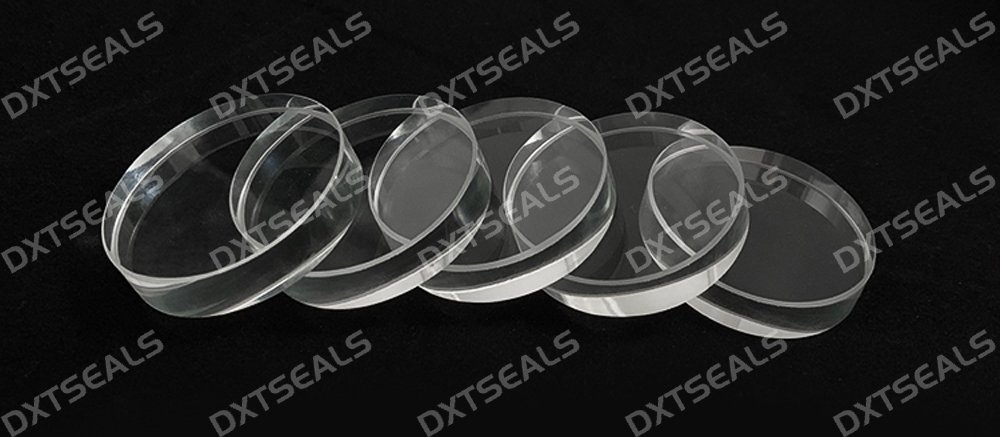
Level gauge glass is an important component in industrial equipment where operators need to visually monitor liquid levels under demanding operating conditions. Boilers, pressure vessels, steam systems, process tanks, and other industrial equipment may expose the gauge glass to high temperature, high pressure, thermal cycling, and aggressive process media.
Choosing the right level gauge glass requires more than simply selecting a transparent glass material. The glass grade, thickness, dimensions, operating temperature, pressure, thermal shock conditions, mounting method, and sealing system all need to be considered.
Borosilicate glass is widely used for many industrial level gauge applications, while aluminosilicate glass can be considered for specialized applications where higher mechanical strength or other specific material characteristics are required. Mica components may also be incorporated into certain high-temperature assemblies for protection or insulation.
What Is Level Gauge Glass?
Level gauge glass is a transparent component installed in a liquid-level indicator or sight glass assembly. It allows operators to directly observe the level of a liquid inside a tank, boiler, pressure vessel, or process system.
Depending on the equipment design, level gauge glass can have different:
- Lengths
- Widths
- Thicknesses
- Shapes
- Edge configurations
- Hole positions
- Mounting configurations
The glass normally works together with gaskets, holders, covers, bolts, and other components. Therefore, the performance of the complete assembly depends on the compatibility of all components.
Why High-Temperature and High-Pressure Applications Are Different
Standard glass products may not be suitable for demanding industrial equipment.
High-temperature and high-pressure systems create additional stresses that can affect the gauge glass.
Important factors include:
- Thermal expansion
- Thermal shock
- Internal pressure
- Mechanical stress
- Temperature cycling
- Chemical exposure
- Installation stress
- Sealing pressure
A suitable gauge glass must be selected according to the actual operating environment rather than simply using a general-purpose glass product.
Step 1: Confirm the Operating Temperature
Temperature is one of the first parameters to consider.
A level gauge installed on a boiler or hot process system may operate continuously at elevated temperatures and may also experience rapid temperature changes during startup and shutdown.
When selecting the glass, consider:
- Normal operating temperature
- Maximum operating temperature
- Startup temperature
- Shutdown conditions
- Temperature fluctuations
- Potential thermal shock
Borosilicate glass is widely used because of its relatively low thermal expansion and good thermal shock resistance.
Suitable aluminosilicate glass grades can also provide strong thermal performance for specialized applications.
The actual allowable temperature should always be based on the specific glass grade, dimensions, thickness, mounting configuration, and manufacturer's specifications.
Step 2: Check the Operating Pressure
For boilers and pressure vessels, pressure is just as important as temperature.
Internal pressure creates mechanical stress on the glass and its mounting system. The glass must therefore be properly matched to the pressure rating and construction of the complete level gauge.
Check:
- Normal operating pressure
- Maximum operating pressure
- Pressure fluctuations
- Gauge body design
- Glass thickness
- Mounting structure
- Gasket configuration
It is important not to assign a pressure rating to the glass based only on its material. The allowable pressure depends on the complete assembly and equipment design.
Step 3: Select the Appropriate Glass Material
Borosilicate Glass
Borosilicate glass is one of the most common materials for industrial level gauge glass.
Its key characteristics include:
- Low thermal expansion
- Good thermal shock resistance
- Good thermal stability
- Excellent optical clarity
- Good chemical resistance
- Wide availability in industrial dimensions
These properties make borosilicate glass suitable for many boiler, tank, pressure equipment, and process applications.
Aluminosilicate Glass
Aluminosilicate glass is another high-performance glass material.
Suitable grades can provide high mechanical strength and good thermal stability. It may be selected for specialized industrial applications where mechanical performance or specific thermal characteristics are important.
Typical considerations include:
- Required mechanical strength
- Operating temperature
- Thermal cycling
- Glass thickness
- Equipment design
- Required optical performance
The exact properties depend on the composition and grade of the aluminosilicate glass.
Mica Components
Mica is not simply another type of transparent gauge glass.
Mica is often used as a protective, insulating, or high-temperature component in specialized assemblies. It can complement a glass viewing component where additional thermal protection or insulation is required.
Mica components may include:
- Mica sheets
- Mica washers
- Mica protective layers
- Mica insulation components
- Customized mica parts
The appropriate use of mica depends on the design and function of the complete assembly.
Step 4: Consider Thermal Shock Resistance
Thermal shock occurs when a material experiences a rapid temperature change.
For example, boiler gauge glass may be exposed to different temperatures during:
- Equipment startup
- Equipment shutdown
- Filling
- Draining
- Cleaning
- Sudden process changes
Borosilicate glass is widely used in these applications because of its low thermal expansion and good thermal shock resistance.
However, thermal shock performance is also affected by glass thickness, dimensions, surface condition, mounting stress, and temperature difference.
Choosing the right material is therefore only part of the solution.
Step 5: Consider the Process Medium
The liquid or gas contacting the gauge glass can affect material selection.
Common industrial media include:
- Water
- Steam
- Oil
- Solvents
- Chemical solutions
- Process fluids
Borosilicate glass generally provides good resistance to many industrial fluids and chemicals. Aluminosilicate glass can also provide good chemical stability depending on its specific composition.
For aggressive chemicals, the exact material grade should be evaluated against the actual process conditions.
The gasket material must also be checked because its chemical resistance may differ significantly from that of the glass.
Step 6: Check Glass Thickness
Glass thickness is an important parameter in high-pressure applications.
A thicker glass is not automatically suitable for every application, because thickness interacts with dimensions, mounting conditions, pressure, thermal stress, and optical requirements.
When replacing an existing gauge glass, the original thickness should be confirmed whenever possible.
For custom applications, glass thickness should be determined according to the equipment and engineering requirements.
Step 7: Confirm the Glass Dimensions
Correct dimensions are essential for installation.
Important dimensions may include:
- Overall length
- Width
- Thickness
- Hole diameter
- Hole position
- Edge configuration
- Radius
- Mounting dimensions
A replacement glass with the correct material but incorrect dimensions may not fit the existing gauge assembly.
For this reason, drawings, original samples, or detailed measurements are useful when ordering replacement components.
Step 8: Select the Correct Gasket
The gauge glass normally requires a suitable gasket or sealing element.
Possible gasket materials include:
- Graphite
- Expanded graphite
- PTFE
- Mica-based materials
- Fiber-based sealing materials
- Other high-temperature sealing materials
The correct gasket depends on:
- Temperature
- Pressure
- Process medium
- Glass dimensions
- Gauge construction
For high-temperature and high-pressure equipment, the gasket should be treated as part of the complete pressure-containing assembly.
Step 9: Check the Mounting Configuration
Even high-quality gauge glass can fail prematurely if it is incorrectly installed.
The mounting system should provide appropriate mechanical support without creating excessive localized stress.
Check:
- Gauge body design
- Glass seating surface
- Gasket position
- Clamping force
- Fastener arrangement
- Alignment
- Installation procedure
The manufacturer's installation requirements should be followed to avoid excessive mechanical or thermal stress.
Level Gauge Glass for Boilers
Boilers are one of the most demanding applications for level gauge glass.
The glass must provide clear visibility while operating in an environment involving elevated temperature, pressure, steam, and repeated thermal changes.
Borosilicate level gauge glass is widely used in boiler applications because of its thermal stability and good thermal shock resistance.
For specialized boiler systems, other high-performance materials or protective components may be considered according to the equipment design.
Level Gauge Glass for Pressure Vessels
Pressure vessels may require visual monitoring of internal liquid levels.
In these applications, the gauge glass and mounting assembly must be compatible with the pressure and temperature requirements of the vessel.
Important parameters include:
- Vessel pressure
- Operating temperature
- Process medium
- Glass thickness
- Glass dimensions
- Gauge design
- Gasket material
- Mounting configuration
The complete assembly should be evaluated rather than treating the glass as an independent pressure-rated component.
German Standard Level Gauge Glass
Some industrial boilers and pressure equipment use German-standard level gauge components.
German-standard borosilicate level gauge glass can be supplied in compatible standard dimensions for these systems.
When selecting a replacement, customers should verify the original dimensions and assembly configuration. If a standard product does not match the existing equipment, custom manufacturing can provide a suitable alternative.
Drawings, samples, measurements, and OEM specifications can all be used to establish the required dimensions.
When Should You Choose Borosilicate Glass?
Borosilicate glass is commonly considered when the application requires:
- Good thermal shock resistance
- Low thermal expansion
- High optical clarity
- Good chemical resistance
- High-temperature stability
- Standard industrial availability
It is widely used for boilers, industrial tanks, pressure equipment, and process level indicators.
When Should You Consider Aluminosilicate Glass?
Aluminosilicate glass may be considered when the application requires:
- High mechanical strength
- Specialized thermal performance
- A specific high-performance glass grade
- Custom industrial viewing components
The actual advantages depend on the selected material grade and product design.
When Are Mica Components Appropriate?
Mica components can be considered when the assembly requires additional:
- Thermal protection
- High-temperature insulation
- Electrical insulation
- Protective layers
- Specialized high-temperature components
Mica should be selected according to the specific assembly design because it does not serve exactly the same function as transparent gauge glass.
Standard vs Custom Level Gauge Glass
Standard level gauge glass is suitable for common industrial equipment with established dimensions.
However, replacement and maintenance projects often involve:
- Discontinued equipment
- Older boilers
- Modified machinery
- Non-standard dimensions
- Special mounting arrangements
- OEM-specific components
In these cases, custom manufacturing can be used.
Custom level gauge glass can be manufactured according to:
- Engineering drawings
- Original samples
- Detailed measurements
- OEM specifications
- Equipment model information
Matching gaskets and mica components can also be supplied where required.
Quality Control for High-Temperature Gauge Glass
Quality control is essential for gauge glass used in demanding industrial environments.
Typical inspection items include:
- Glass material
- Overall dimensions
- Glass thickness
- Surface quality
- Edge condition
- Transparency
- Flatness
- Hole dimensions
- Hole positions
- Dimensional tolerances
For complete assemblies, gasket and mica dimensions should also be checked to ensure proper compatibility.
Common Mistakes When Selecting Gauge Glass
Several common mistakes can lead to installation or performance problems.
Choosing Glass Based Only on Temperature
Temperature alone does not determine suitability. Pressure, thermal shock, dimensions, and mounting conditions must also be considered.
Ignoring the Gasket
A suitable glass with an unsuitable gasket can still result in leakage or premature failure.
Using Incorrect Dimensions
Even small dimensional differences can prevent correct installation.
Assuming All Borosilicate Glass Is the Same
Different glass grades can have different compositions and technical properties. The actual product specification should be verified.
Replacing the Material Without Checking the Assembly
Changing from one glass material to another may affect thermal, mechanical, and installation characteristics. The complete assembly should be evaluated before substitution.
Conclusion
Choosing level gauge glass for high-temperature and high-pressure equipment requires a comprehensive evaluation of the operating environment.
Temperature, pressure, thermal shock, process medium, glass material, thickness, dimensions, mounting configuration, and gasket compatibility should all be considered.
Borosilicate glass is widely used for industrial level gauges because of its low thermal expansion, good thermal shock resistance, optical clarity, and chemical stability. Aluminosilicate glass can provide high mechanical strength and specialized performance for selected applications, while mica components can provide additional protection or insulation in high-temperature assemblies.
We can supply borosilicate level gauge glass, aluminosilicate gauge glass, mica components, and matching gaskets for boilers, pressure vessels, tanks, and industrial level measurement systems. Standard products and non-standard custom solutions can be manufactured according to drawings, samples, dimensions, or OEM specifications.