
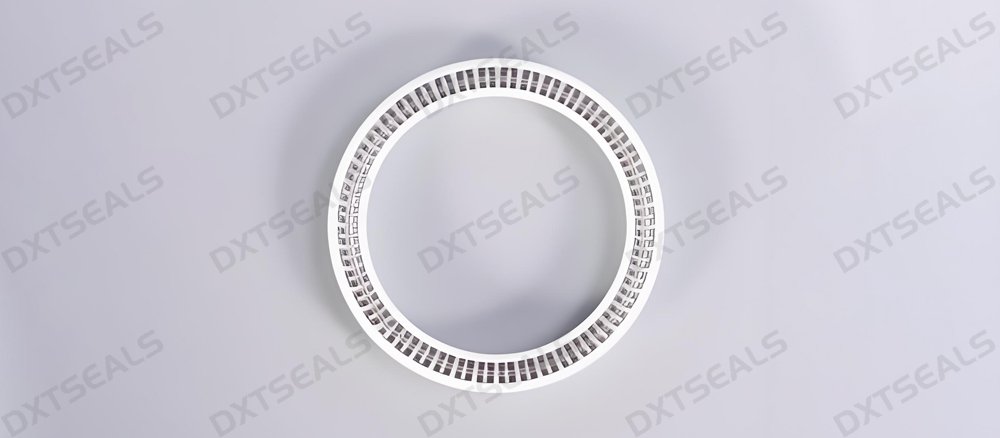
How to Optimize Spring Energized Seal Design to Reduce Friction and Extend Service Life
In high-performance industrial applications, sealing systems must withstand extreme temperatures, aggressive chemicals, high pressure, and continuous motion. Among advanced sealing technologies, spring energized seals are widely used because of their excellent sealing reliability and adaptability. However, improper seal design can lead to excessive friction, accelerated wear, and shortened equipment life.
Optimizing the design of a spring energized seal is essential for improving operational efficiency, reducing maintenance costs, and extending service life. This article explores the key factors that influence friction and durability in spring energized sealing systems.
Understanding Spring Energized Seals
A spring energized seal consists of a PTFE or polymer jacket combined with a corrosion-resistant metal spring. The spring provides consistent sealing force, compensating for wear, pressure changes, and thermal expansion.
These seals are commonly used in:
- Aerospace systems
- Semiconductor equipment
- Oil and gas applications
- Medical devices
- Chemical processing equipment
- Hydraulic and pneumatic systems
Because spring energized seals often operate in dynamic environments, friction control becomes a critical design consideration.
Selecting the Right Seal Material
Material selection directly affects friction performance and seal longevity.
PTFE-Based Materials
PTFE is the most common sealing material due to its:
- Extremely low friction coefficient
- Excellent chemical resistance
- Wide temperature capability
- Non-stick surface characteristics
For demanding applications, filled PTFE compounds can further enhance performance. Common fillers include:
- Carbon fiber
- Glass fiber
- Bronze
- Graphite
- Polyimide
Each filler improves specific properties such as wear resistance, thermal conductivity, or mechanical strength.
Choosing the Correct Spring Material
Spring materials should provide long-term elasticity and corrosion resistance. Popular options include:
- Stainless steel 301
- Stainless steel 316
- Elgiloy
- Hastelloy
Selecting the appropriate spring material helps maintain stable sealing force while preventing premature fatigue.
Optimizing Seal Geometry
Seal geometry plays a major role in friction reduction.
Lip Design
A properly designed sealing lip minimizes contact pressure while maintaining sealing integrity. Excessive interference can increase friction and generate heat, leading to rapid wear.
Key optimization strategies include:
- Reducing unnecessary lip preload
- Using optimized contact angles
- Balancing sealing force and dynamic movement
Surface Finish Compatibility
The mating hardware surface must have an appropriate finish. Surfaces that are too rough accelerate wear, while surfaces that are too smooth may reduce lubricant retention.
Recommended shaft surface finishes typically range between:
- Ra 0.2–0.4 μm for dynamic applications
Proper surface treatment significantly improves seal lifespan.
Reducing Friction Through Spring Design
The spring inside the seal determines how much radial load is applied to the sealing surface.
Different spring types offer different performance characteristics:
Cantilever Springs
- Lower friction
- Excellent for dynamic applications
- Suitable for low-pressure systems
Helical Springs
- Uniform sealing force
- Better for cryogenic and vacuum environments
Canted Coil Springs
- Excellent load flexibility
- Good for reciprocating motion
Selecting the correct spring type can dramatically reduce friction while maintaining reliable sealing performance.
Controlling Operating Conditions
Even the best seal design can fail under poor operating conditions.
Temperature Management
High temperatures accelerate material degradation and increase friction. Using high-temperature PTFE compounds and proper cooling methods helps extend service life.
Pressure Optimization
Excessive system pressure increases contact stress between the seal and hardware. Designers should carefully balance pressure capability with friction requirements.
Lubrication Considerations
Although PTFE has self-lubricating properties, additional lubrication may further reduce wear in high-speed applications.
Compatible lubricants can:
- Reduce startup friction
- Prevent dry running
- Improve heat dissipation
Importance of Proper Groove Design
Seal groove dimensions must match the seal profile precisely. Improper groove tolerances can cause:
- Seal deformation
- Uneven wear
- Leakage
- Increased friction
Critical groove parameters include:
- Groove width
- Groove depth
- Corner radii
- Clearance gaps
At DXTSEALS, custom groove design recommendations are provided based on operating pressure, speed, temperature, and media compatibility.
Minimizing Wear in Dynamic Applications
Dynamic sealing applications require additional attention to wear resistance.
Effective methods include:
- Using wear-resistant filled PTFE materials
- Optimizing shaft hardness
- Reducing eccentric motion
- Maintaining proper alignment
- Preventing contamination ingress
A well-designed sealing system can significantly reduce downtime and maintenance frequency.
The Role of Custom Engineering
Every industrial application has unique operating conditions. Standard sealing solutions may not provide optimal performance in complex environments.
Custom-engineered spring energized seals allow manufacturers to optimize:
- Friction levels
- Seal preload
- Chemical compatibility
- Temperature resistance
- Pressure capability
- Service life
DXTSEALS specializes in customized spring energized sealing solutions designed for demanding industrial applications worldwide.
Conclusion
Reducing friction and extending service life in spring energized seals requires a combination of material selection, spring optimization, seal geometry improvement, and precise groove design.
By carefully engineering each component of the sealing system, manufacturers can improve equipment reliability, reduce energy consumption, and lower maintenance costs.
As industrial equipment continues to operate under increasingly demanding conditions, optimized spring energized seal design becomes more important than ever. DXTSEALS provides advanced sealing technologies and customized engineering support to help customers achieve superior sealing performance in critical applications.