
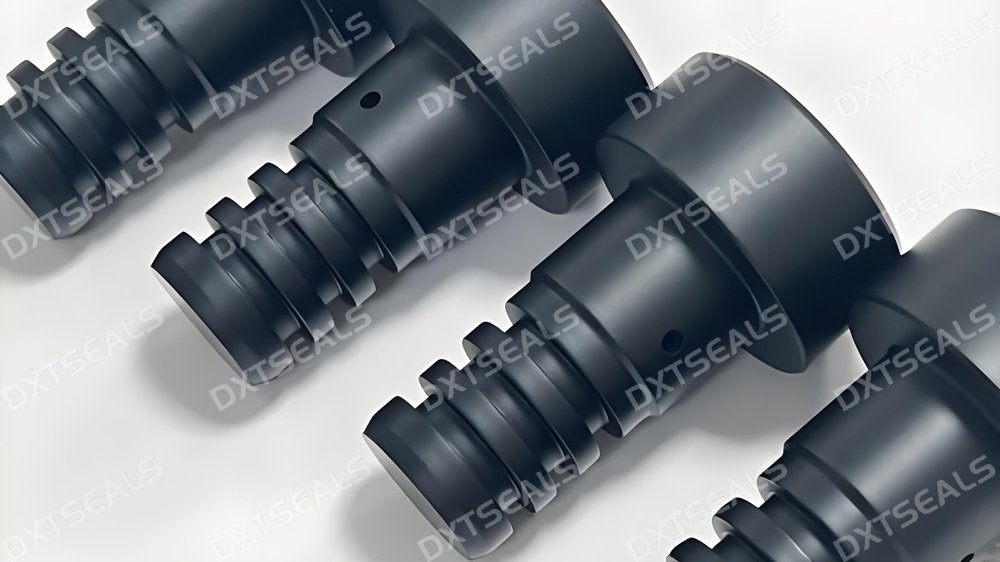
In modern industries such as automotive, aerospace, and precision machinery, the demand for lightweight yet durable sealing components is rapidly increasing. Among the various material options, aluminum and magnesium alloys stand out for their unique balance of strength, weight reduction, and processability.
This article by DXTSEALS explores the lightweight benefits of these alloys and provides practical selection advice for sealing structures.
1. Why Lightweight Matters in Sealing Components
Lightweight design not only reduces the overall mass of equipment but also improves:
-
Fuel efficiency in vehicles and aircraft.
-
Ease of assembly and maintenance due to reduced component weight.
-
Operational stability, as lighter sealing structures reduce mechanical load.
Thus, choosing the right lightweight metal is a key step in balancing performance and efficiency.
2. Aluminum Alloys: Balanced Performance
Advantages:
-
Low density (~2.7 g/cm³), about one-third the weight of steel.
-
Good corrosion resistance, especially in anodized or alloyed forms.
-
Excellent machinability and weldability, making them easy to process into sealing housings.
-
Moderate strength, suitable for mid-pressure sealing applications.
Applications:
-
Automotive engine seals and housings.
-
Aerospace sealing rings where weight reduction is critical.
-
Electronics enclosures with corrosion-resistant sealing.
3. Magnesium Alloys: Extreme Lightweight Potential
Advantages:
-
Lowest density among structural metals (~1.8 g/cm³), about 30% lighter than aluminum.
-
High specific strength (strength-to-weight ratio), making them ideal for lightweight structural sealing.
-
Excellent damping capacity, reducing vibration in sealing systems.
Challenges:
-
Lower corrosion resistance compared to aluminum.
-
Requires surface protection (coatings, anodizing) in harsh environments.
-
Slightly more difficult to machine than aluminum.
Applications:
-
Aerospace and defense sealing structures, where extreme lightweight is essential.
-
Portable equipment housings, reducing overall device weight.
-
Automotive sealing parts in electric vehicles to extend range.
4. Aluminum vs. Magnesium Alloys in Sealing Applications
| Property | Aluminum Alloys | Magnesium Alloys |
|---|---|---|
| Density | ~2.7 g/cm³ (light) | ~1.8 g/cm³ (lighter) |
| Strength | Moderate to high | Moderate |
| Corrosion Resistance | Good (with alloys) | Fair (needs protection) |
| Machinability | Excellent | Moderate |
| Cost | Moderate | Higher than aluminum |
| Best Use Case | General sealing housings | Ultra-lightweight sealing parts |
5. Material Selection Advice for Sealing Structures
When deciding between aluminum and magnesium alloys, consider:
-
Operating Environment:
-
For humid or corrosive conditions, aluminum alloys are preferable.
-
For dry and controlled environments, magnesium alloys maximize weight savings.
-
-
Mechanical Load & Pressure:
-
Aluminum offers a safer balance for mid to high-load sealing structures.
-
Magnesium is best for low to moderate pressure systems where lightweight is the priority.
-
-
Cost & Maintenance:
-
Aluminum is more cost-effective and requires less protective treatment.
-
Magnesium may demand higher upfront cost due to protective coatings.
-
Conclusion
Both aluminum and magnesium alloys bring significant lightweight advantages to sealing structures. While aluminum is more versatile and corrosion-resistant, magnesium provides the ultimate weight reduction for highly specialized applications.
At DXTSEALS, we help industries achieve the perfect balance between weight, durability, and sealing performance by providing expert material recommendations and customized sealing solutions.
📩 Contact DXTSEALS for consultation on selecting the best lightweight alloy for your sealing needs.