
Introduction
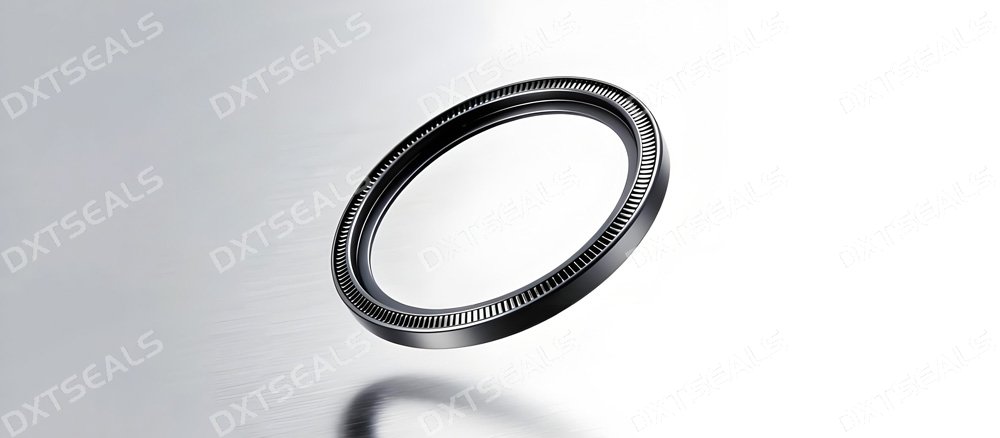
Spring energized seals are widely used in demanding applications requiring high sealing reliability, chemical resistance, and low friction performance. However, even the best seal materials and spring designs cannot achieve optimal performance without proper groove design.
The groove directly affects:
- Seal compression
- Contact pressure
- Wear resistance
- Leakage performance
- Seal lifespan
This article explains the key design points for spring energized seal grooves, focusing on dimensions, tolerances, and surface roughness requirements. At DXTSEALS, we provide professional engineering support for customized seal and groove design solutions.
1. Importance of Groove Design for Spring Energized Seals
The groove acts as the working space for the seal and determines how the seal interacts with the mating surfaces. A properly designed groove ensures:
- Stable seal positioning
- Correct compression ratio
- Uniform load distribution
- Long-term sealing reliability
Improper groove design may result in:
- Leakage
- Excessive friction
- Accelerated wear
- Seal extrusion or deformation
2. Key Groove Dimension Requirements
Groove Width
Groove width must provide sufficient space for:
- Seal installation
- Thermal expansion
- Dynamic movement
Design considerations include:
- Avoiding excessive side clearance
- Preventing seal twisting or instability
Too narrow: difficult installation and excessive friction
Too wide: poor seal support and instability
Groove Depth
Groove depth is one of the most critical parameters because it determines the seal compression ratio.
Proper groove depth ensures:
- Adequate sealing force
- Controlled friction
- Stable spring loading
Improper depth may cause:
- Under-compression → leakage
- Over-compression → excessive wear and shortened lifespan
At DXTSEALS, groove depth is carefully optimized based on seal type and operating conditions.
Groove Diameter and Clearance
For radial seals, groove diameter directly affects interference fit and sealing performance.
Proper clearance helps:
- Prevent extrusion under pressure
- Allow smooth movement in dynamic applications
- Maintain consistent sealing contact
Pressure level and operating temperature must be considered when calculating clearances.
3. Tolerance Requirements
Importance of Precision Tolerances
Spring energized seals require high dimensional accuracy because even small deviations can affect sealing performance.
Critical tolerance areas include:
- Groove width
- Groove depth
- Concentricity and roundness
Tight tolerances ensure:
- Consistent compression
- Uniform sealing force
- Reduced leakage risk
Tolerance Design Based on Application
Different applications require different tolerance levels:
- Static sealing applications allow slightly larger tolerances
- Dynamic and high-pressure systems require tighter precision
Advanced machining processes are often necessary for critical sealing applications.
4. Surface Roughness Requirements
Why Surface Finish Matters
Surface roughness directly influences:
- Leakage rate
- Friction
- Wear characteristics
- Seal lifespan
A proper surface finish creates an optimal balance between sealing efficiency and lubrication retention.
Recommended Surface Roughness
For most spring energized seal applications:
- Excessively rough surfaces may cause leakage and wear
- Overly polished surfaces may reduce lubrication retention and affect dynamic sealing performance
The ideal roughness depends on:
- Seal material
- Pressure conditions
- Static or dynamic operation
Direction of Machining Marks
Machining patterns also affect sealing performance:
- Circular machining marks are generally preferred for rotary applications
- Longitudinal scratches should be avoided
Proper machining improves both sealing reliability and seal life.
5. Groove Design for Dynamic Applications
Dynamic sealing requires additional groove design considerations:
Friction Control
Groove dimensions must minimize excessive contact force while maintaining sealing reliability.
Thermal Expansion Compensation
Dynamic systems often generate heat, requiring sufficient allowance for:
- Material expansion
- Seal movement
Extrusion Prevention
High-speed or high-pressure applications may require:
- Backup support structures
- Optimized clearance design
6. Common Groove Design Mistakes
Incorrect Compression Ratio
The most common issue is improper groove depth leading to:
- Excessive wear
- Leakage
Poor Surface Finish
Surface defects such as scratches or burrs can quickly damage the seal.
Ignoring Thermal Expansion
Failure to consider temperature changes may lead to:
- Seal deformation
- Increased friction
- Reduced lifespan
Insufficient Tolerance Control
Poor machining accuracy can result in uneven sealing pressure and unstable performance.
7. Best Practices for Reliable Groove Design
To achieve optimal sealing performance:
- Match groove dimensions to seal type and material
- Maintain strict machining tolerances
- Ensure appropriate surface roughness
- Consider operating temperature, pressure, and speed
- Validate designs through testing and engineering analysis
At DXTSEALS, we provide comprehensive groove design recommendations tailored to specific applications.
Conclusion
Proper groove design is essential for maximizing the performance and lifespan of spring energized seals. Key design factors include:
- Accurate groove dimensions
- Tight tolerances
- Appropriate surface roughness
- Consideration of operating conditions
A well-designed groove ensures:
- Reliable sealing
- Reduced wear
- Stable dynamic performance
- Extended service life
At DXTSEALS, we specialize in customized spring energized sealing solutions with professional support for groove design and engineering optimization.
If you need assistance with spring energized seal groove design or technical selection, contact DXTSEALS today for expert guidance and tailored solutions.