
Introduction
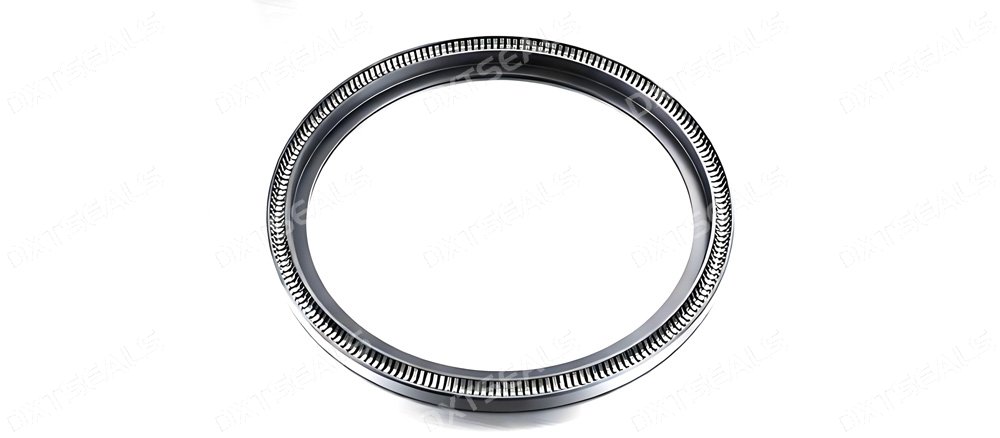
Spring energized seals are widely used in industries requiring high sealing reliability, low friction, and strong chemical resistance. Their unique structure—combining a PTFE jacket with a metal spring—allows them to perform in challenging environments where traditional seals may fail.
However, selecting the correct spring energized seal requires a detailed evaluation of operating conditions, especially:
- Temperature
- Pressure
- Media compatibility
Improper selection can lead to leakage, excessive wear, or premature seal failure.
In this article, we provide a comprehensive guide to the selection principles of spring energized seals under different working conditions. At DXTSEALS, we offer customized sealing solutions tailored to specific industrial applications.
1. Temperature Considerations in Seal Selection
High-Temperature Applications
In high-temperature environments, sealing materials must maintain:
- Mechanical stability
- Elastic recovery
- Chemical resistance
Recommended materials include:
- Graphite-filled PTFE
- Carbon-filled PTFE
- High-temperature spring materials such as stainless steel or Inconel
Typical applications:
- Aerospace systems
- Chemical processing equipment
- High-temperature valves and pumps
Low-Temperature and Cryogenic Applications
At low temperatures, seals must resist:
- Material brittleness
- Loss of elasticity
- Shrinkage effects
Pure PTFE is often preferred because of its excellent low-temperature stability.
Typical applications:
- LNG equipment
- Cryogenic valves
- Vacuum systems
Thermal Cycling Conditions
Applications with repeated heating and cooling require seals with:
- Good elastic compensation
- Stable dimensional behavior
Helical spring energized seals are commonly used in these conditions due to their strong recovery capability.
2. Pressure Considerations in Seal Selection
Low-Pressure Applications
For low-pressure systems:
- Lower spring force may be sufficient
- V-spring designs are often preferred due to low friction
Typical applications include precision instruments and light-duty hydraulic systems.
High-Pressure Applications
Under high pressure, seals must resist:
- Extrusion
- Deformation
- Excessive wear
Recommended solutions:
- Helical spring energized seals
- Filled PTFE materials with high compressive strength
- Optimized groove support design
Typical applications:
- Oil & gas systems
- High-pressure pumps and valves
Pressure Fluctuation and Pulsation
Systems with pressure cycling require seals that can maintain stable contact pressure over time.
Key requirements include:
- Strong spring compensation capability
- Good fatigue resistance
Helical and U-spring designs are commonly selected for these environments.
3. Media Compatibility Analysis
Chemical and Corrosive Media
PTFE offers excellent chemical resistance, but filler materials and spring metals must also be compatible with the media.
Recommended options:
- Pure PTFE for highly corrosive chemicals
- Hastelloy springs for aggressive chemical environments
Typical applications:
- Chemical processing
- Pharmaceutical equipment
- Semiconductor systems
Oil and Fuel Media
For oil, fuel, and hydraulic fluids:
- Carbon-filled PTFE provides excellent wear resistance
- Stainless steel springs are commonly used
Typical applications:
- Hydraulic systems
- Fuel pumps
- Industrial machinery
High-Purity Media
Applications requiring minimal contamination need materials with:
- Low outgassing
- High cleanliness
Recommended solutions include:
- Virgin PTFE
- High-purity metal springs
Typical applications:
- Semiconductor manufacturing
- Medical and pharmaceutical systems
4. Dynamic vs Static Sealing Conditions
Dynamic Applications
Dynamic sealing requires:
- Low friction
- Excellent wear resistance
- Fast spring response
Recommended combinations:
- V-spring seals
- Carbon-filled or graphite-filled PTFE
Applications include reciprocating and rotating systems.
Static Applications
Static sealing focuses on:
- Long-term sealing stability
- High leak-tight performance
Helical spring seals are often preferred for these conditions.
5. Additional Factors in Seal Selection
Groove Design
Proper groove dimensions are essential for:
- Correct compression
- Seal stability
- Prevention of extrusion
Surface Finish
Smooth and controlled surface roughness improves:
- Leak-tight performance
- Seal lifespan
Speed and Friction Requirements
High-speed applications require materials and spring designs that minimize friction and heat generation.
At DXTSEALS, we optimize all these factors to provide reliable sealing solutions.
6. Common Selection Mistakes
- Ignoring thermal expansion effects
- Using incorrect filler materials for chemical environments
- Selecting low-strength materials for high-pressure systems
- Overlooking groove design requirements
- Not considering dynamic operating conditions
Avoiding these issues is critical for long-term sealing reliability.
Conclusion
Selecting the right spring energized seal requires a comprehensive analysis of:
- Temperature conditions
- Pressure levels
- Media compatibility
- Dynamic or static operating requirements
Different combinations of PTFE materials, fillers, and spring structures provide different performance characteristics. Proper selection ensures:
- Reliable sealing
- Reduced wear
- Longer service life
- Improved system efficiency
At DXTSEALS, we specialize in customized spring energized seal solutions designed to meet the most demanding industrial conditions.
If you need help selecting the right spring energized seal for your application, contact DXTSEALS today for expert guidance and tailored solutions.