
Introduction
Hydraulic and pneumatic systems are widely used in industrial automation, heavy machinery, aerospace, and precision equipment. These systems require sealing components that can provide:
- Reliable pressure retention
- Low friction performance
- Long service life
- Resistance to temperature and chemical media
Traditional rubber seals may fail under demanding operating conditions such as high pressure, high speed, or aggressive media. As a result, spring energized seals have become an increasingly popular solution in both hydraulic and pneumatic applications.
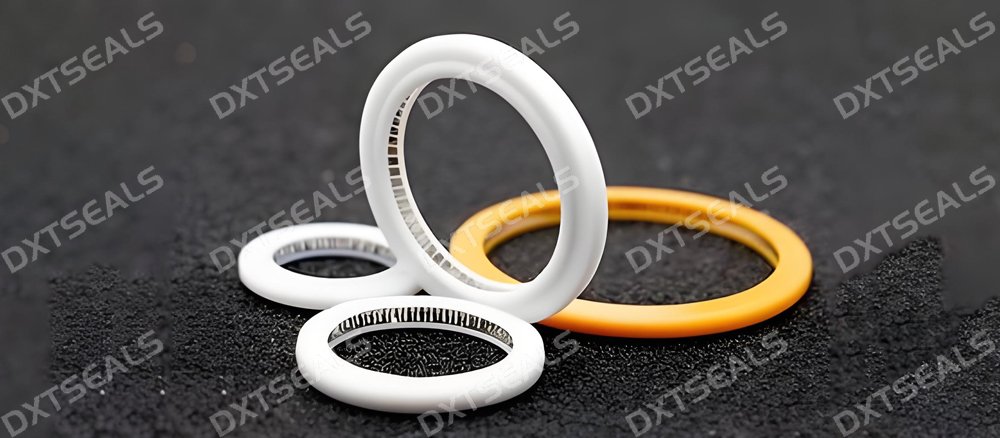
By combining advanced PTFE materials with precision metal springs, spring energized seals offer excellent sealing performance under dynamic and extreme conditions.
This article explores the typical applications of spring energized seals in hydraulic and pneumatic systems and explains the key selection principles engineers should consider. At DXTSEALS, we provide customized sealing solutions optimized for industrial fluid power systems.
1. Why Spring Energized Seals Are Suitable for Hydraulic and Pneumatic Systems
Spring energized seals offer several advantages over conventional elastomer seals:
Excellent Low-Friction Performance
PTFE-based sealing jackets significantly reduce friction compared with rubber seals, resulting in:
- Lower energy consumption
- Reduced wear
- Smoother movement
This is especially important in high-speed or precision motion systems.
Wide Temperature Resistance
Spring energized seals can operate across a broad temperature range, making them suitable for:
- High-temperature hydraulic systems
- Low-temperature pneumatic equipment
- Outdoor industrial environments
Superior Chemical Resistance
PTFE materials resist:
- Hydraulic oils
- Compressed gases
- Solvents and chemicals
This improves system reliability in harsh industrial environments.
Long Service Life
The internal spring compensates for:
- PTFE wear
- Thermal expansion
- Pressure fluctuations
ensuring stable sealing performance over long operating periods.
At DXTSEALS, our spring energized seals are engineered for high durability and consistent performance.
2. Typical Applications in Hydraulic Systems
Hydraulic Cylinder Rod Seals
Rod seals prevent hydraulic fluid leakage along the reciprocating shaft.
Key requirements include:
- Low friction
- High pressure resistance
- Excellent wear performance
Recommended solutions:
- Carbon-filled PTFE materials
- V-spring or helical spring structures
Typical industries:
- Construction machinery
- Industrial presses
- Heavy-duty hydraulic equipment
Hydraulic Piston Seals
Piston seals separate pressure chambers inside hydraulic cylinders.
Key requirements include:
- Strong sealing force
- Anti-extrusion capability
- Stable reciprocating performance
Recommended solutions:
- Glass-filled PTFE
- Helical spring energized seals
Hydraulic Rotary Seals
Rotary hydraulic systems require:
- Low friction torque
- Wear resistance
- Stable dynamic sealing
Carbon-filled PTFE is often preferred for these applications because of its excellent dynamic performance.
3. Typical Applications in Pneumatic Systems
Pneumatic Cylinder Seals
Pneumatic systems operate at lower pressure but often require:
- Fast response
- Low startup friction
- Smooth movement
V-spring energized seals are commonly used because they provide:
- Low preload force
- Fast elastic response
- Reduced stick-slip behavior
Precision Pneumatic Equipment
Applications such as semiconductor or automation equipment require:
- Clean operation
- Minimal particle generation
- Stable low-pressure sealing
Virgin PTFE or high-purity filled PTFE materials are often selected.
Vacuum and Low-Pressure Systems
In vacuum applications, system pressure provides little assistance to sealing force.
Therefore, spring preload becomes especially important.
Helical spring structures are commonly used because they provide:
- Strong sealing compensation
- Excellent low-pressure sealing capability
4. Key Selection Factors for Hydraulic and Pneumatic Applications
Operating Pressure
Hydraulic Systems
Usually involve:
- Medium to very high pressure
- Strong extrusion risk
Recommended:
- High-strength filled PTFE
- Stronger spring preload
- Optimized groove support design
Pneumatic Systems
Typically involve:
- Lower pressure
- Faster dynamic response requirements
Recommended:
- Low-friction PTFE materials
- Lower spring preload
Dynamic Speed
High-speed systems require:
- Reduced friction
- Excellent wear resistance
- Stable heat control
Carbon-filled PTFE is often preferred in high-speed dynamic applications.
Temperature Conditions
High temperatures may require:
- Graphite-filled PTFE
- High-temperature spring alloys
Low-temperature pneumatic systems may use:
- Virgin PTFE
- Flexible spring structures
Media Compatibility
Hydraulic oils, compressed gases, and industrial chemicals require proper material compatibility.
Recommended spring materials may include:
- Stainless steel
- Inconel
- Hastelloy for corrosive environments
At DXTSEALS, we carefully match materials with actual operating media and system requirements.
5. Groove Design Considerations
Proper groove design is critical for reliable seal performance. Key factors include:
- Compression ratio
- Groove width and depth
- Surface finish quality
- Extrusion clearance control
Incorrect groove design may lead to:
- Leakage
- Excessive wear
- Increased friction
- Seal instability
Dynamic hydraulic and pneumatic systems especially require optimized groove geometry to balance friction and sealing force.
6. Comparison of Common Spring Structures in Fluid Power Systems
| Spring Type | Friction Level | Pressure Capability | Dynamic Response | Typical Application |
|---|---|---|---|---|
| V-Spring | Low | Medium | Excellent | Pneumatic & dynamic hydraulic systems |
| Helical Spring | Medium–High | High | Good | High-pressure hydraulic & vacuum systems |
| U-Spring | Medium | Medium | Balanced | General industrial fluid systems |
7. Common Seal Selection Mistakes
Excessive Spring Load in Pneumatic Systems
May cause:
- High friction
- Stick-slip movement
- Reduced response speed
Insufficient Extrusion Protection in Hydraulic Systems
Can lead to:
- PTFE deformation
- Seal failure under high pressure
Ignoring Temperature Effects
Thermal expansion and material softening must be considered during design.
Incorrect PTFE Material Selection
Improper filler selection may reduce wear resistance or chemical compatibility.
At DXTSEALS, we help customers avoid these issues through professional engineering analysis and customized sealing solutions.
8. Future Trends in Hydraulic and Pneumatic Sealing
Sealing technology is evolving toward:
- Lower friction designs
- Higher pressure capability
- Longer service life
- Improved energy efficiency
- Advanced filled PTFE materials
- Precision spring preload optimization
Smart manufacturing and advanced simulation technologies are also improving seal reliability and performance prediction.
Conclusion
Spring energized seals provide highly effective sealing solutions for hydraulic and pneumatic systems because of their:
- Low friction characteristics
- Excellent wear resistance
- Strong chemical compatibility
- Reliable pressure compensation capability
Successful seal selection requires careful consideration of:
- Pressure
- Speed
- Temperature
- Media compatibility
- Groove design
- Spring preload
Different spring structures and PTFE materials are suitable for different operating conditions.
At DXTSEALS, we specialize in customized spring energized sealing solutions designed for demanding hydraulic and pneumatic applications.
If you need assistance selecting the right spring energized seal for your hydraulic or pneumatic system, contact DXTSEALS today for expert technical support and customized sealing solutions.