
Introduction
Spring-energized seals are widely used in applications where conventional elastomer seals fail to meet performance requirements. From extreme temperatures and pressures to aggressive media and dynamic motion, these seals provide reliable sealing through carefully engineered designs.
Understanding the selection logic behind different types of spring-energized seals is essential for achieving optimal sealing performance. This article offers a comprehensive overview—from design fundamentals to real-world applications.
Fundamental Design Concept of Spring-Energized Seals
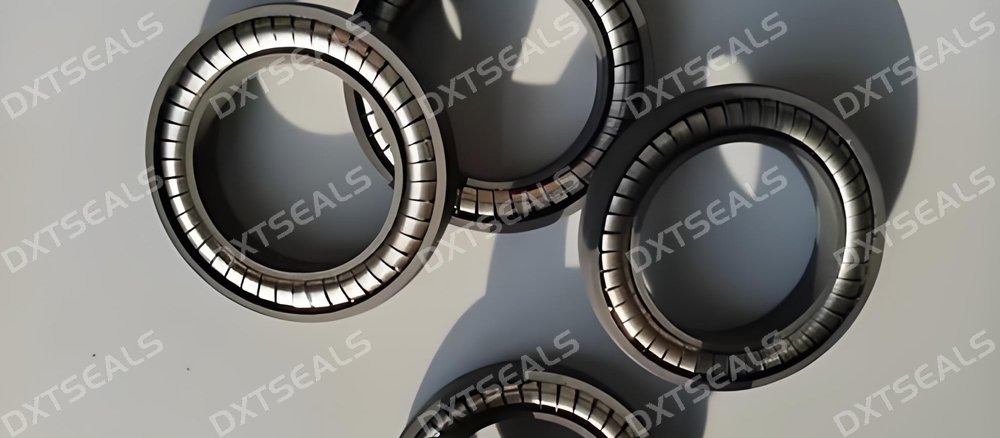
A spring-energized seal consists of a PTFE-based sealing jacket combined with a metal energizing spring. Unlike elastomer seals, sealing force is provided mechanically by the spring rather than material elasticity.
This design ensures stable sealing performance across a wide range of operating conditions.
Key Design Parameters Influencing Seal Selection
Operating Conditions
-
Pressure range (including pressure direction)
-
Temperature extremes
-
Static, reciprocating, or rotary motion
These factors determine the basic seal structure and material selection.
Media Compatibility
Chemical resistance is critical in ensuring long-term reliability. PTFE and its modified compounds provide excellent compatibility with most industrial fluids and gases.
Hardware and Installation Constraints
Groove dimensions, surface finish, and assembly methods directly influence seal geometry and profile selection.
Common Types of Spring-Energized Seals
U-Shaped Spring-Energized Seals
Offer excellent flexibility and are suitable for both static and dynamic applications.
C-Shaped Spring-Energized Seals
Designed for low friction and high-speed rotary applications.
Rectangular Spring-Energized Seals
Provide high extrusion resistance and are ideal for static or high-pressure environments.
Each type serves a specific function based on design requirements.
Spring Type and Performance Matching
Spring selection plays a critical role in sealing behavior:
-
Helical springs for high sealing force
-
Wave springs for low friction and high-speed motion
Matching spring type with application requirements ensures balanced performance.
Material Selection Logic
Material selection must consider:
-
PTFE grade (virgin, filled, modified)
-
Wear resistance vs. friction
-
Thermal and chemical stability
At DXTSEALS, material and spring combinations are optimized to match specific operating conditions.
Application-Oriented Selection Strategy
Rather than selecting seals solely by type, engineers should evaluate the complete system:
-
Equipment function and duty cycle
-
Risk of leakage and failure consequences
-
Maintenance and service life expectations
This holistic approach leads to more reliable sealing solutions.
Typical Applications
-
Hydraulic and pneumatic systems
-
Chemical and process industries
-
Aerospace and vacuum equipment
-
Food, pharmaceutical, and medical devices
In these sectors, proper seal selection directly impacts system reliability and safety.
Conclusion
Selecting the right spring-energized seal requires a clear understanding of design principles, material behavior, spring characteristics, and application demands. By following a structured selection logic—from design requirements to operational realities—engineers can ensure reliable, long-lasting sealing performance.
A well-informed selection process transforms spring-energized seals from simple components into critical contributors to system success.