
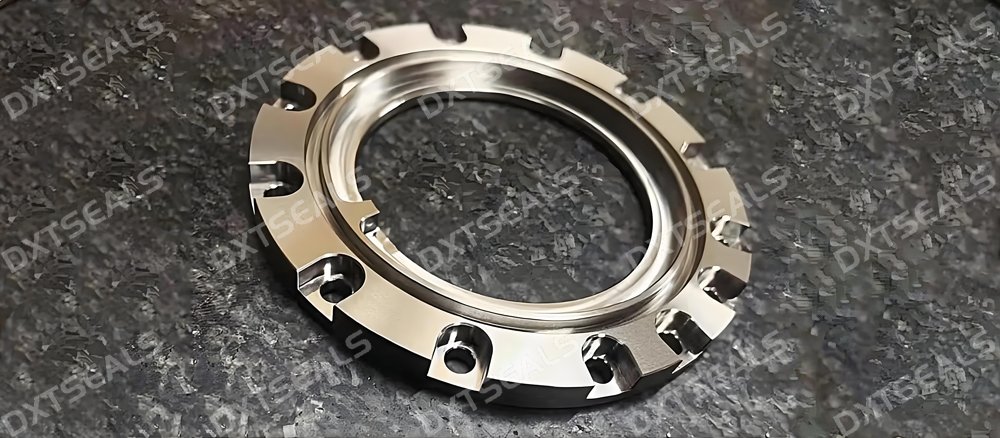
Introduction
Titanium alloys are widely recognized for their exceptional strength-to-weight ratio, corrosion resistance, and high-temperature performance. These properties make titanium indispensable in high-end industrial applications, but they also create significant challenges during machining.
This article analyzes the main difficulties of titanium alloy machining and presents practical industry-specific solutions to achieve reliable and high-quality results.
Why Titanium Alloys Are Difficult to Machine
Despite their excellent in-service performance, titanium alloys present unique machining challenges due to their physical and chemical characteristics.
Key Challenges in Titanium Alloy Machining
Low Thermal Conductivity
Titanium alloys retain heat near the cutting zone, causing rapid tool wear and thermal damage if not properly managed.
High Chemical Reactivity
At elevated temperatures, titanium reacts easily with cutting tool materials, increasing tool adhesion and wear.
High Strength and Low Elastic Modulus
Titanium’s high strength combined with low stiffness leads to tool deflection and vibration during machining.
Narrow Optimal Cutting Window
Titanium alloys require precise control of cutting speed, feed rate, and cooling conditions to maintain stability.
At DXTSEALS, advanced machining strategies are applied to manage heat, tool wear, and dimensional accuracy when processing titanium components.
Machining Solutions for Titanium Alloys
Optimized Cutting Parameters
Lower cutting speeds with controlled feed rates help reduce heat concentration and extend tool life.
Advanced Tooling Materials
Carbide tools with specialized coatings are commonly used to improve wear resistance and cutting stability.
Effective Cooling and Lubrication
High-pressure coolant systems and proper lubrication reduce thermal buildup and improve surface finish.
Rigid Machine Setup
High-rigidity CNC machines and secure fixturing minimize vibration and improve dimensional accuracy.
Common Titanium Alloys Used in Machining
-
Ti-6Al-4V – Most widely used grade with excellent strength and corrosion resistance
-
Commercially Pure Titanium – Better machinability for less demanding applications
Material selection depends on strength requirements and application conditions.
Industry-Specific Application Solutions
Aerospace Industry
Titanium machined parts are used in aircraft structures, fasteners, and engine components due to their lightweight and high strength.
Medical and Healthcare
Titanium alloys are biocompatible and widely used for surgical instruments and implants.
Chemical and Marine Equipment
Excellent corrosion resistance makes titanium suitable for harsh chemical and seawater environments.
Energy and Industrial Equipment
Titanium components perform reliably in high-temperature and high-pressure systems.
Role of Titanium Machining in Sealing and Precision Components
Titanium alloys are increasingly used in high-performance sealing housings and precision parts where weight reduction and corrosion resistance are critical.
Conclusion
Titanium alloy machining presents unique technical challenges, but with optimized processes, advanced tooling, and proper equipment, high-quality results can be consistently achieved.
Understanding these challenges and applying industry-proven solutions allows manufacturers to unlock the full potential of titanium alloys in demanding applications.