
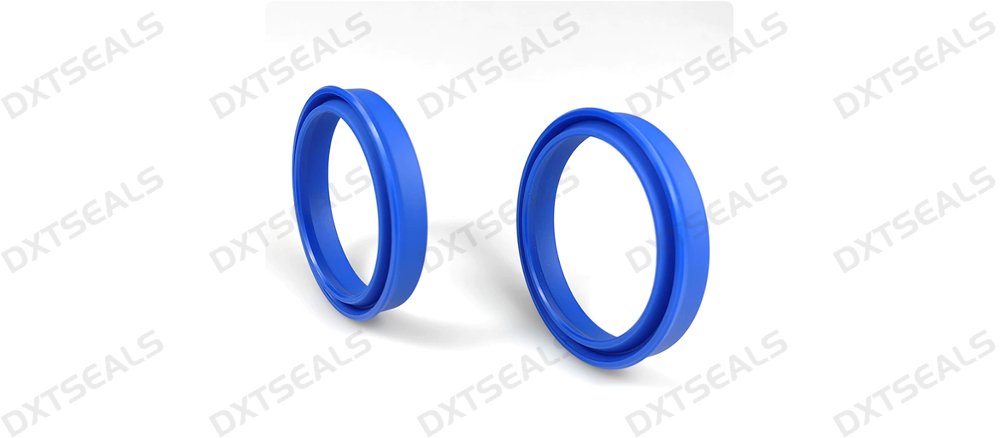
Hydraulic systems are designed to operate under high pressure, continuous movement, and demanding environmental conditions. To maintain efficiency and prevent hydraulic fluid leakage, reliable sealing components are essential. Among the various sealing materials available, polyurethane (PU) has become one of the most widely used materials for hydraulic seals due to its outstanding mechanical strength, wear resistance, and long service life.
From hydraulic cylinders and construction machinery to industrial automation equipment, polyurethane seals provide dependable performance in dynamic sealing applications. Their ability to withstand pressure, abrasion, and repeated reciprocating motion makes them the preferred choice for many OEM manufacturers and maintenance professionals.
What Are Polyurethane Seals?
Polyurethane seals are sealing components manufactured from high-performance polyurethane elastomers. They are primarily used in hydraulic and pneumatic systems to prevent fluid leakage, maintain system pressure, and protect equipment from contamination.
Common polyurethane sealing products include:
- Rod seals
- Piston seals
- Wiper seals (dust seals)
- Buffer seals
- Guide rings
- Wear rings
- U-cup seals
- Custom hydraulic seals
These seals are available in standard sizes and can also be custom-manufactured for specialized hydraulic equipment.
Why Polyurethane Is Ideal for Hydraulic Seals
Compared with many traditional rubber materials, polyurethane offers a unique combination of strength, elasticity, and durability.
Key material advantages include:
- Excellent wear resistance
- High tensile strength
- Outstanding tear resistance
- Good elasticity
- Low compression set
- Good resistance to hydraulic oils
- Long service life
- Stable performance under dynamic movement
These properties enable polyurethane seals to maintain reliable sealing performance even under demanding operating conditions.
Structural Design of Polyurethane Hydraulic Seals
Modern polyurethane seals are designed to provide effective sealing while minimizing friction and wear.
Typical design features include:
- Precision sealing lips
- Optimized contact pressure
- Compact cross-sectional profiles
- Excellent dynamic sealing capability
- Easy installation in standard grooves
Different seal profiles are developed for specific applications, such as rod sealing, piston sealing, or contaminant exclusion.
Advantages of Polyurethane Seals
Excellent Wear Resistance
Hydraulic cylinders operate with continuous reciprocating motion, creating friction between the seal and the piston rod or cylinder bore.
Polyurethane provides exceptional abrasion resistance, significantly extending seal life compared with many conventional elastomers.
High Pressure Capability
Polyurethane seals maintain their shape and sealing performance under medium- and high-pressure hydraulic conditions, helping prevent leakage and pressure loss.
Low Friction Performance
Properly designed polyurethane seals reduce friction during operation, resulting in:
- Smoother rod movement
- Lower energy consumption
- Reduced heat generation
- Improved equipment efficiency
Outstanding Mechanical Strength
Polyurethane combines flexibility with high tensile and tear strength, making it suitable for heavy-duty industrial equipment.
Long Service Life
Its resistance to wear, compression, and fatigue reduces maintenance frequency and extends the operating life of hydraulic systems.
Common Types of Polyurethane Hydraulic Seals
Rod Seals
Rod seals prevent hydraulic fluid from leaking along the piston rod during reciprocating movement.
Popular profiles include:
- UHS rod seals
- DHS rod seals
- U-cup rod seals
Piston Seals
Piston seals separate pressure chambers within hydraulic cylinders and maintain efficient pressure transmission.
Wiper Seals
Wiper seals remove dust, mud, moisture, and other contaminants from the piston rod before they enter the hydraulic cylinder.
FA wiper seals are among the most commonly used profiles.
Buffer Seals
Buffer seals reduce pressure spikes and help protect the primary rod seal in high-pressure hydraulic systems.
Applications of Polyurethane Seals
Polyurethane seals are used in a wide variety of hydraulic equipment.
Construction Machinery
Heavy-duty equipment operates under harsh conditions involving dust, vibration, and heavy loads.
Typical applications include:
- Excavators
- Bulldozers
- Wheel loaders
- Cranes
- Road construction equipment
Industrial Machinery
Industrial hydraulic systems rely on polyurethane seals for:
- Hydraulic presses
- Machine tools
- Injection molding machines
- Material handling equipment
- Automated production lines
Agricultural Equipment
Hydraulic cylinders in tractors, harvesters, and sprayers require durable seals capable of resisting dirt, moisture, and frequent movement.
Mining Equipment
Mining machinery operates in abrasive environments where wear resistance and contamination protection are critical.
Marine and Offshore Equipment
Polyurethane seals are also used in hydraulic systems exposed to demanding environmental conditions and continuous operation.
Polyurethane vs. Rubber Seals
Polyurethane and rubber are both commonly used sealing materials, but they offer different performance characteristics.
| Feature | Polyurethane | Conventional Rubber |
|---|---|---|
| Wear Resistance | Excellent | Good |
| Tensile Strength | High | Moderate |
| Tear Resistance | Excellent | Moderate |
| Compression Set | Low | Moderate |
| Dynamic Performance | Excellent | Good |
| Service Life | Long | Moderate |
| Oil Resistance | Excellent | Material dependent |
For dynamic hydraulic applications, polyurethane is often preferred because of its superior durability and wear resistance.
How to Select the Right Polyurethane Seal
Selecting the appropriate seal requires consideration of several operating factors.
Important considerations include:
- Working pressure
- Operating temperature
- Hydraulic fluid type
- Rod and bore dimensions
- Reciprocating speed
- Installation groove dimensions
- Environmental conditions
- Required service life
Proper seal selection helps maximize hydraulic system performance while reducing maintenance costs.
Precision Manufacturing and Quality Control
High-quality polyurethane seals are manufactured using advanced production technologies and strict quality management procedures.
Typical manufacturing processes include:
- Precision mold manufacturing
- Polyurethane molding
- Dimensional inspection
- Surface quality inspection
- Material verification
- Final product testing
Consistent quality control ensures reliable sealing performance and excellent interchangeability.
OEM and Custom Polyurethane Sealing Solutions
Many hydraulic systems require sealing components beyond standard catalog sizes.
Professional manufacturers can provide:
- OEM manufacturing
- Production according to technical drawings
- Non-standard dimensions
- Customized polyurethane materials
- Prototype development
- Small-batch production
- Large-scale manufacturing
Custom-engineered polyurethane seals can be optimized for specific equipment, operating conditions, and industry requirements.
Choosing a Reliable Polyurethane Seal Manufacturer
When selecting a supplier, consider the following capabilities:
- Experience in hydraulic sealing technology
- High-quality polyurethane materials
- Precision manufacturing equipment
- Comprehensive quality control
- OEM and custom manufacturing services
- Fast production and delivery
- Technical support for seal selection
An experienced manufacturer can help ensure the correct seal profile and material are selected for each application.
Conclusion
Polyurethane seals have become the preferred sealing solution for hydraulic equipment because they combine excellent wear resistance, high mechanical strength, low friction, and long service life. Whether used as rod seals, piston seals, wiper seals, or buffer seals, they provide reliable performance in demanding hydraulic applications.
With precision manufacturing, high-quality polyurethane materials, and custom engineering capabilities, polyurethane seals help improve hydraulic system efficiency, reduce maintenance costs, and extend equipment life across industries such as construction, agriculture, manufacturing, mining, and material handling.