
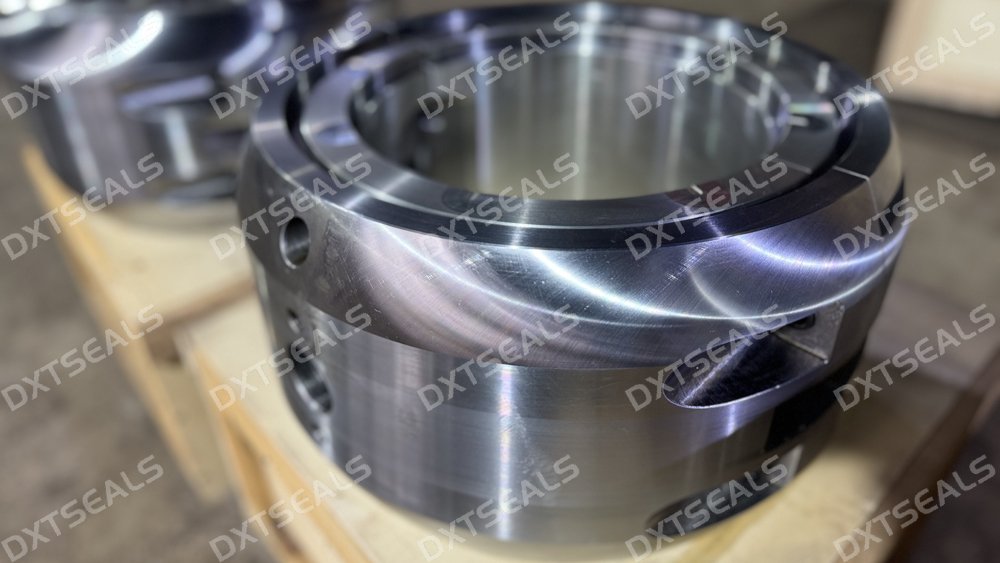
Sealing components are often exposed to harsh operating environments such as high pressure, high temperature, friction, and corrosive media. While the choice of base metal is crucial, the surface treatment process directly determines the durability, reliability, and long-term performance of sealing housings, retainers, and support structures.
In this article, DXTSEALS analyzes the impact of common metal surface treatment processes on sealing component performance, offering practical guidance for material and process selection.
1. Why Surface Treatment Matters in Sealing Applications
Even high-quality metals such as stainless steel or alloy steel can fail prematurely if their surfaces are left untreated. Common issues include:
-
Surface wear and abrasion under repeated sealing cycles.
-
Corrosion-induced cracks in aggressive chemical or marine environments.
-
Fatigue failure due to stress concentrations at micro-defects.
Surface treatments significantly improve:
-
Hardness and wear resistance
-
Corrosion and oxidation resistance
-
Fatigue strength and crack resistance
-
Service life of sealing components
2. Common Surface Treatment Processes for Sealing Metals
(1) Electroplating and Galvanizing
-
Function: Forms a protective coating (zinc, nickel, or chrome) to resist corrosion.
-
Advantages: Cost-effective, improves corrosion resistance.
-
Limitations: Limited wear resistance; coating can peel under heavy loads.
-
Best Use: Sealing housings in moderate environments.
(2) Nitriding and Carburizing
-
Function: Introduces nitrogen or carbon atoms into the surface layer.
-
Advantages: High surface hardness, excellent wear and fatigue resistance.
-
Limitations: Requires precise process control; base material compatibility needed.
-
Best Use: High-pressure and high-friction sealing supports.
(3) Anodizing (Aluminum Alloys)
-
Function: Forms a dense oxide layer on aluminum.
-
Advantages: Enhances corrosion resistance, improves aesthetics.
-
Limitations: Lower wear resistance compared to nitriding or coatings.
-
Best Use: Lightweight aluminum sealing components.
(4) Thermal Spray Coating (Ceramic, Carbide Layers)
-
Function: Sprays protective ceramic or metal layers onto the surface.
-
Advantages: Excellent wear and thermal resistance.
-
Limitations: Higher cost, potential adhesion issues.
-
Best Use: Aerospace, petrochemical, and extreme sealing environments.
(5) PVD/CVD Coatings (TiN, CrN, DLC)
-
Function: Thin, hard coatings deposited by physical or chemical vapor deposition.
-
Advantages: Very high hardness, low friction, superior wear resistance.
-
Limitations: High process cost.
-
Best Use: Precision sealing parts requiring minimal wear and long lifespan.
3. Comparative Impact on Sealing Durability
| Surface Treatment | Wear Resistance | Corrosion Protection | Fatigue Strength | Cost | Sealing Suitability |
|---|---|---|---|---|---|
| Electroplating | ★★☆☆☆ | ★★★☆☆ | ★★☆☆☆ | Low | General housings |
| Nitriding/Carburizing | ★★★★☆ | ★★★☆☆ | ★★★★☆ | Medium | High-pressure seals |
| Anodizing (Aluminum) | ★★☆☆☆ | ★★★★☆ | ★★☆☆☆ | Low | Lightweight seals |
| Thermal Spray Coating | ★★★★★ | ★★★★★ | ★★★★☆ | High | Extreme conditions |
| PVD/CVD Coatings | ★★★★★ | ★★★★☆ | ★★★★☆ | High | Precision seals |
4. Best Practices to Enhance Sealing Reliability
-
Match the treatment to the environment:
-
Use nitriding for high-pressure wear applications.
-
Apply anodizing for lightweight aluminum housings.
-
Select thermal spray or PVD coatings for extreme durability.
-
-
Combine treatments if necessary:
-
Example: Nitriding + PVD for both hardness and low friction.
-
-
Regular inspection and maintenance:
-
Even treated surfaces can degrade over time; proactive monitoring ensures reliability.
-
Conclusion
Metal surface treatment processes are vital in extending the lifespan and durability of sealing components. From cost-effective plating to advanced coatings like PVD and ceramic spraying, each method offers specific benefits depending on the application.
At DXTSEALS, we help clients select the optimal metal and surface treatment combination to ensure sealing reliability in high-pressure, high-temperature, and corrosive environments.
📩 Contact DXTSEALS for customized sealing material and surface treatment solutions tailored to your industry needs.