
Introduction
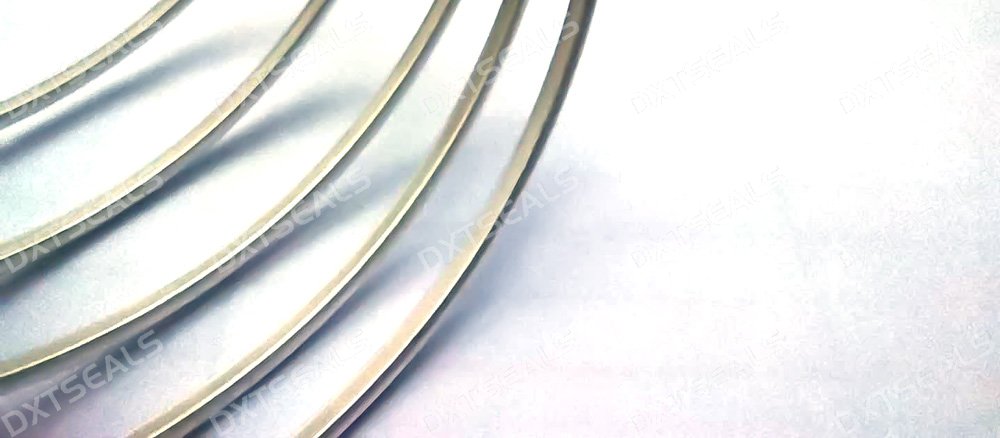
Vacuum environments present unique challenges for sealing technology. Unlike conventional systems, vacuum applications require extremely low leakage rates, high material stability, and resistance to outgassing. Traditional elastomer seals often fail under such conditions, making metal sealing rings the preferred solution.
This article explores the applications of metal seals in vacuum environments and provides practical sealing solutions for achieving reliable performance. At DXTSEALS, we specialize in high-precision metal sealing solutions for demanding vacuum systems.
1. Challenges of Sealing in Vacuum Environments
Sealing in vacuum conditions is fundamentally different from sealing under pressure. Key challenges include:
Leakage Control
Even microscopic leaks can compromise system performance. Vacuum systems—especially ultra-high vacuum (UHV)—require:
- Near-zero leakage rates
- Stable long-term sealing
Outgassing
Materials can release trapped gases under vacuum, leading to:
- Contamination of the vacuum chamber
- Reduced system efficiency
Metal seals are preferred because they exhibit minimal outgassing compared to rubber materials.
Thermal Stability
Vacuum systems often operate under extreme temperatures, requiring seals that can:
- Withstand thermal cycling
- Maintain sealing integrity at high or cryogenic temperatures
Surface Finish Requirements
Vacuum sealing demands highly precise mating surfaces. Any imperfections can lead to leakage, making seal conformity critical.
2. Types of Metal Sealing Rings for Vacuum Applications
Metal O-Rings
Metal O-rings, especially hollow or plated types, are widely used in vacuum systems. They provide:
- High strength
- Good sealing under static conditions
- Compatibility with ultra-high vacuum environments
They are commonly used in vacuum flanges and chamber seals.
Metal C-Rings
C-rings offer improved flexibility compared to O-rings, making them suitable for:
- Applications with thermal expansion
- Flange connections with slight surface irregularities
Their elastic recovery helps maintain sealing performance over time.
Metal E-Rings
Metal E-rings are ideal for critical vacuum applications due to their:
- Multi-lip sealing structure
- Redundant sealing lines
- Superior leak tightness
They are often used in ultra-high vacuum (UHV) and semiconductor equipment.
3. Key Sealing Solutions for Vacuum Systems
Use of Soft Metal Coatings
Applying soft metal coatings such as:
- Silver
- Gold
…helps improve surface conformity and reduce leakage paths. This is especially important in vacuum systems where sealing surfaces must be extremely tight.
Precision Surface Finishing
To achieve effective vacuum sealing:
- Flange surfaces must be finely machined
- Surface roughness must be minimized
This ensures proper contact between the seal and mating surfaces.
Proper Compression Design
Correct compression is essential for metal seals:
- Insufficient compression leads to leakage
- Excessive compression may damage the seal
Designing the correct compression ratio ensures optimal sealing performance.
Material Selection for Low Outgassing
Choosing the right material is critical. Common options include:
- Stainless steel
- Inconel
- Hastelloy
These materials offer:
- Low outgassing properties
- High temperature resistance
- Excellent mechanical strength
At DXTSEALS, we help customers select materials specifically suited for vacuum environments.
4. Applications of Metal Seals in Vacuum Systems
Metal sealing rings are widely used in:
Semiconductor Manufacturing
- Vacuum chambers
- Etching and deposition equipment
- Gas sealing systems
Aerospace and Space Systems
- Satellite vacuum systems
- Space simulation chambers
- Cryogenic fuel systems
Scientific Research Equipment
- Particle accelerators
- Vacuum furnaces
- Analytical instruments
Industrial Vacuum Systems
- Vacuum pumps
- Coating systems
- Leak detection equipment
These applications require high reliability, zero contamination, and long-term stability.
5. Advantages of Metal Seals in Vacuum Applications
Compared to elastomer seals, metal sealing rings offer:
- Ultra-low leakage rates
- Minimal outgassing
- High temperature resistance
- Excellent durability and lifespan
- Compatibility with extreme environments
These advantages make them the preferred choice for high-performance vacuum sealing.
Conclusion
Metal sealing rings provide reliable and efficient solutions for vacuum environments where traditional seals cannot perform. By selecting the appropriate seal type—O-ring, C-ring, or E-ring—and optimizing design parameters, engineers can achieve stable, long-lasting, and leak-tight vacuum systems.
At DXTSEALS, we are committed to delivering customized metal sealing solutions that meet the stringent requirements of vacuum applications.
If you are working on a vacuum sealing project and need expert support, contact DXTSEALS today for tailored solutions and professional guidance.