
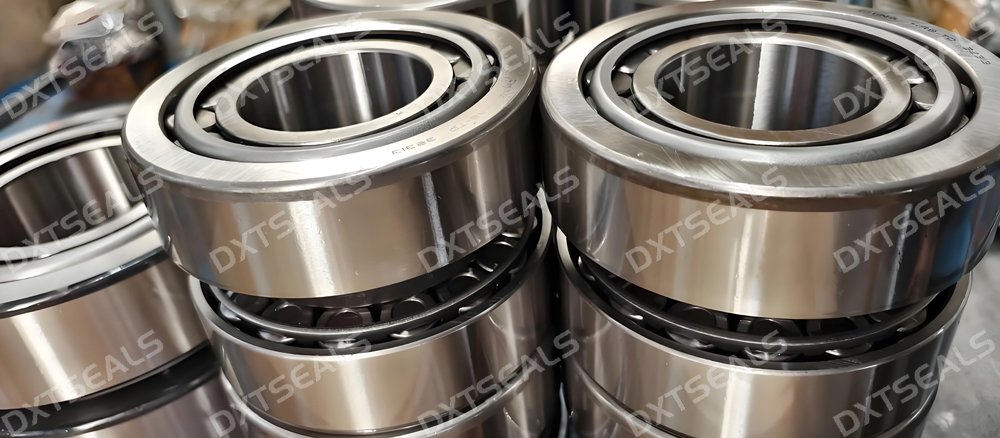
Introduction
In mechanical manufacturing, seals and bearings are critical components that directly affect equipment performance, reliability, and service life. However, due to improper selection, installation errors, harsh operating conditions, or inadequate maintenance, seal and bearing failures are common causes of equipment downtime.
This article analyzes the most frequent failure modes of seals and bearings in mechanical manufacturing and provides practical preventive measures.
Common Seal Failures and Their Causes
Leakage
Seal leakage is often caused by material incompatibility, improper installation, excessive shaft runout, or wear of the sealing lip. Exposure to high temperatures or aggressive media can also accelerate seal degradation.
Hardening and Cracking
Prolonged exposure to heat, chemicals, or UV radiation can cause elastomer seals to harden, crack, or lose elasticity, reducing sealing effectiveness.
Abrasive Wear
Contaminants such as dust and metal particles can damage sealing surfaces, leading to premature wear and seal failure.
Common Bearing Failures and Their Causes
Fatigue Spalling
Repeated heavy loads and improper load distribution can cause surface fatigue on bearing raceways and rolling elements, leading to spalling.
Overheating
Insufficient lubrication, excessive preload, or high operating speeds can result in abnormal temperature rise and reduced bearing life.
Corrosion and Contamination
Moisture, chemicals, and foreign particles entering the bearing housing can cause corrosion, increased friction, and early failure.
Preventive Measures for Seals and Bearings
Proper Component Selection
Selecting seals and bearings based on operating conditions—such as load, speed, temperature, and environmental exposure—is essential to prevent premature failure.
Correct Installation Practices
Improper installation is a major cause of seal and bearing damage. Using correct tools, maintaining alignment, and avoiding contamination during assembly can significantly reduce failure risks.
Effective Lubrication Management
Proper lubricant type, quantity, and replacement intervals help reduce friction, control temperature, and protect against wear and corrosion.
Regular Inspection and Maintenance
Routine inspections allow early detection of abnormal noise, vibration, leakage, or temperature rise, enabling timely corrective action before major failure occurs.
Integrated Reliability Approach
Seals and bearings function as a system. High-performance seals protect bearings from contamination and lubricant loss, while reliable bearings ensure stable operation of rotating components.
At DXTSEALS, we provide industrial sealing and bearing solutions designed to minimize failure risks and improve overall equipment reliability in mechanical manufacturing applications.
Conclusion
Seal and bearing failures are among the most common issues in mechanical manufacturing equipment. By understanding typical failure modes and implementing effective preventive measures—such as proper selection, correct installation, and regular maintenance—manufacturers can significantly improve equipment reliability and reduce downtime.
An integrated approach to sealing and bearing solutions is key to achieving long-term operational stability.