
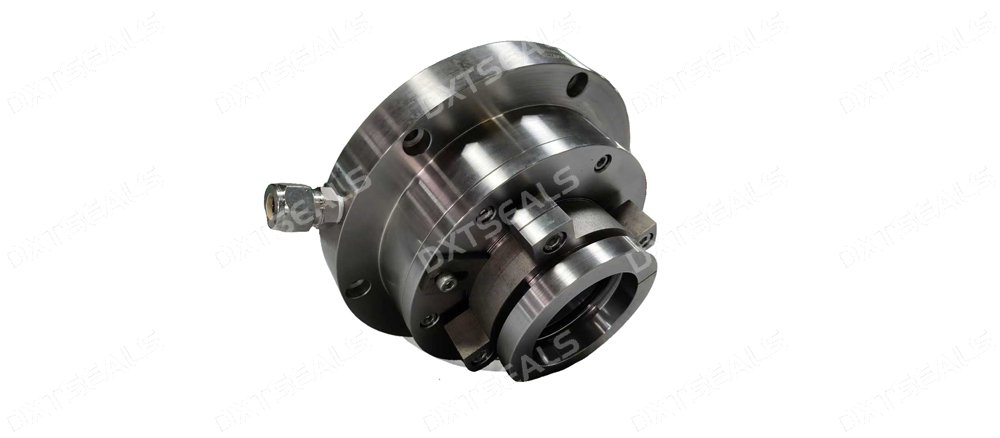
Mechanical seals are widely used in pumps, compressors, mixers, reactors, and other rotating equipment to prevent fluid leakage and ensure reliable operation. As industrial processes become increasingly specialized, sealing requirements vary significantly from one application to another.
While standard mechanical seals remain the preferred choice for many common applications, customized mechanical seals are often required when equipment operates under unique or demanding conditions. Understanding the differences between these two types of seals is essential for selecting the most cost-effective and reliable sealing solution.
This guide compares standard and custom mechanical seals, explains their advantages and limitations, and provides practical recommendations for selecting the right solution for your application.
What Is a Standard Mechanical Seal?
A standard mechanical seal is manufactured according to commonly accepted industry dimensions and specifications. These seals are designed to fit a wide range of equipment and are often interchangeable with original equipment manufacturer (OEM) products.
Standard mechanical seals are typically available in predefined sizes, materials, and configurations.
Common Characteristics of Standard Mechanical Seals
- Standardized dimensions
- Mass production availability
- Proven industry designs
- Quick delivery times
- Lower manufacturing costs
- Easy replacement and maintenance
Because of their versatility, standard seals are widely used in general industrial applications.
What Is a Custom Mechanical Seal?
A custom mechanical seal is specifically designed and manufactured according to unique equipment requirements or operating conditions.
Rather than following standard dimensions or configurations, custom seals are engineered to address specific challenges related to:
- Temperature
- Pressure
- Chemical compatibility
- Installation space
- Shaft dimensions
- Operating speed
- Industry regulations
Custom seals can involve modifications to materials, geometry, balance ratios, spring designs, or complete seal structures.
Key Differences Between Standard and Custom Mechanical Seals
1. Design Flexibility
Standard Mechanical Seals
Standard seals are manufactured using predefined designs.
Advantages:
- Ready-to-use solutions
- Easy sourcing
- Lower engineering costs
Limitations:
- Limited customization options
- May not fully optimize performance in challenging environments
Custom Mechanical Seals
Custom seals are designed around specific application requirements.
Advantages:
- Tailored performance
- Improved compatibility
- Enhanced reliability
Limitations:
- Longer development time
- Higher initial cost
2. Operating Condition Compatibility
Standard Mechanical Seals
Best suited for:
- Moderate pressures
- Standard temperatures
- Clean fluids
- General industrial equipment
Common applications include:
- Water pumps
- HVAC systems
- Utility services
- General manufacturing
Custom Mechanical Seals
Designed for:
- Extreme temperatures
- High pressures
- Corrosive chemicals
- Abrasive media
- High-speed operation
Typical applications include:
- Chemical processing
- Oil and gas
- Pharmaceutical manufacturing
- Mining operations
- Semiconductor equipment
3. Material Selection Options
Standard Mechanical Seals
Generally offer commonly used material combinations such as:
- Carbon Graphite + Ceramic
- Carbon Graphite + Silicon Carbide
- Silicon Carbide + Silicon Carbide
Secondary sealing materials often include:
- NBR
- EPDM
- FKM
These combinations satisfy most conventional operating conditions.
Custom Mechanical Seals
Provide greater flexibility in material selection.
Options may include:
- Advanced silicon carbide grades
- Tungsten carbide
- Specialized carbon materials
- Hastelloy components
- FFKM elastomers
- PTFE secondary seals
This flexibility allows optimization for specific process environments.
4. Cost Considerations
Standard Mechanical Seals
Advantages:
- Lower purchase price
- Reduced engineering costs
- Economical inventory management
Ideal when:
- Equipment uses common dimensions
- Operating conditions are moderate
- Fast replacement is required
Custom Mechanical Seals
Higher initial investment due to:
- Engineering design
- Tooling adjustments
- Specialized manufacturing
However, custom seals often reduce long-term costs through:
- Extended service life
- Reduced maintenance
- Lower downtime
- Improved operational efficiency
5. Lead Time and Availability
Standard Mechanical Seals
Typically offer:
- Fast production
- Immediate availability
- Easy procurement
This makes them ideal for maintenance and emergency replacement situations.
Custom Mechanical Seals
Require:
- Engineering evaluation
- Design verification
- Manufacturing preparation
Lead times are generally longer but provide optimized solutions for specialized applications.
When Should You Choose a Standard Mechanical Seal?
A standard mechanical seal is often the best option when:
Equipment Uses Standard Dimensions
Standardized pumps and rotating equipment usually accommodate standard seals without modification.
Operating Conditions Are Moderate
Applications involving:
- Water
- Non-corrosive liquids
- Moderate temperatures
- Moderate pressures
typically perform well with standard seal designs.
Quick Replacement Is Required
Maintenance teams often prefer standard seals because they are readily available and easy to install.
Budget Is a Primary Concern
For many general industrial applications, standard seals provide excellent value and reliable performance.
When Should You Choose a Custom Mechanical Seal?
Custom mechanical seals become necessary when operating conditions exceed the capabilities of standard products.
Extreme Temperatures
Applications involving:
- Cryogenic fluids
- High-temperature process media
may require specialized materials and structural designs.
High-Pressure Systems
Custom balanced seal designs may be necessary to reduce face loading and improve reliability.
Corrosive Chemicals
Aggressive process fluids often require:
- Silicon carbide seal faces
- Specialized elastomers
- Corrosion-resistant metal components
Abrasive Media
Mining, slurry, and wastewater applications frequently require:
- Tungsten carbide materials
- Reinforced seal structures
- Enhanced flushing systems
Limited Installation Space
Custom dimensions may be required when standard products cannot fit existing equipment.
Comparing Performance: Standard vs Custom Seals
| Feature | Standard Mechanical Seal | Custom Mechanical Seal |
|---|---|---|
| Initial Cost | Lower | Higher |
| Lead Time | Short | Longer |
| Availability | High | Project-Based |
| Design Flexibility | Limited | Excellent |
| Extreme Condition Capability | Moderate | Excellent |
| Service Life Optimization | Standard | Optimized |
| OEM Compatibility | High | Customizable |
| Long-Term Cost Efficiency | Good | Often Better |
Common Industries Using Standard Mechanical Seals
Standard seals are widely used in:
Water Treatment
Applications include:
- Clean water pumps
- Municipal systems
- Irrigation equipment
HVAC Systems
Used in:
- Chillers
- Cooling towers
- Circulation pumps
General Manufacturing
Suitable for:
- Utility pumps
- Standard process equipment
Common Industries Using Custom Mechanical Seals
Custom seals are frequently required in:
Chemical Processing
Challenges include:
- Corrosive fluids
- Temperature extremes
Oil and Gas
Requirements include:
- High pressure
- Hazardous media
Food and Beverage
Requirements include:
- Hygienic design
- FDA-compliant materials
Pharmaceutical Manufacturing
Focus areas:
- Product purity
- Cleanability
- Sterilization resistance
Mining Industry
Challenges include:
- Abrasive slurries
- Heavy-duty operation
Why Engineering Support Matters in Seal Selection
Selecting the correct seal is not simply a matter of matching dimensions.
Engineers must evaluate:
- Process media
- Temperature
- Pressure
- Shaft speed
- Installation conditions
- Equipment design
An experienced seal manufacturer can recommend the most suitable combination of:
- Materials
- Seal structure
- Face design
- Elastomers
- Auxiliary systems
This approach helps prevent premature failures and improves overall equipment reliability.
How DXTSEALS Supports Both Standard and Custom Requirements
At DXTSEALS, we provide comprehensive sealing solutions ranging from standard replacement seals to fully customized mechanical seal systems.
Our capabilities include:
Standard Mechanical Seals
- OEM-equivalent replacements
- Common industrial seal models
- Fast production and delivery
Custom Mechanical Seals
- Engineering design support
- Material optimization
- Reverse engineering services
- Non-standard dimensions
- Specialized sealing solutions
Whether customers require an immediate replacement or a fully customized design, DXTSEALS delivers reliable solutions tailored to industrial operating conditions.
Conclusion
Both standard mechanical seals and custom mechanical seals play important roles in modern industrial applications. Standard seals offer cost-effective, readily available solutions for common operating conditions, while custom seals provide optimized performance for demanding and specialized environments.
The right choice depends on factors such as operating pressure, temperature, chemical compatibility, equipment design, and long-term performance requirements.
By carefully evaluating these factors and working with an experienced seal manufacturer, companies can select the most effective sealing solution, improve equipment reliability, and reduce total operating costs.
DXTSEALS offers both standard and custom mechanical seal solutions, helping customers achieve dependable sealing performance across a wide range of industrial applications.